Recover material where it falls.
Vacuum points around conveyors, transfer points, and loadout areas help reduce buildup before it spreads.
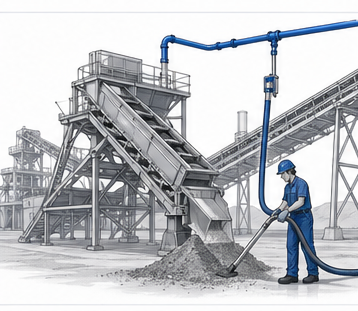
TVD designs high-volume recovery, central vacuum, and dust collection systems for abrasive material, conveyor carryback, pits, loadout, and large cleanup demands.
Mines, mills, quarries, and bulk-handling operations need recovery systems that can handle dense material, long cleanup routes, and harsh conditions without becoming another maintenance burden.
Vacuum points around conveyors, transfer points, and loadout areas help reduce buildup before it spreads.
Hose routing, mobile units, and central drops can be planned around real plant access constraints.
High-volume collection reduces manual shoveling and dependence on limited outside service windows.
TVD sizes the system around material density, distance, lift, duty cycle, collection method, and service access.
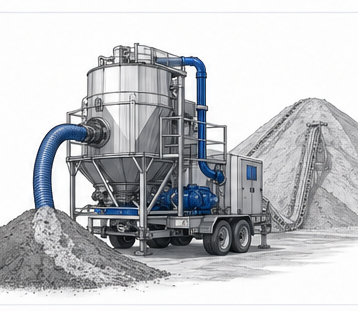
PowerLift systems support high-volume cleanup and truck displacement opportunities.
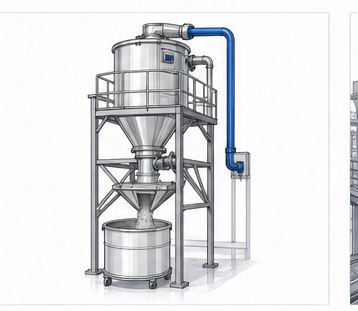
Elevator systems can move recovered dry material into collection containers or hoppers.
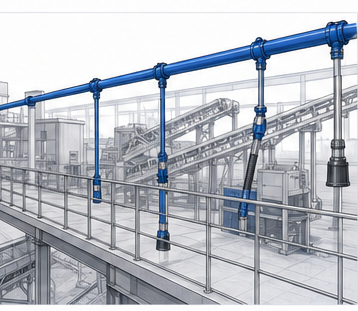
Permanent piping helps crews access repeat cleanup areas without hauling large equipment across the plant.
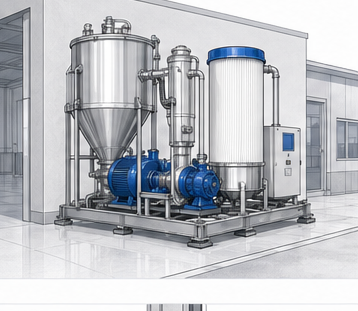
Central packages can keep the heavy collection point where maintenance can reach it.
Heavy industry often needs larger separators, abrasion-aware tooling, realistic maintenance access, and a clear separation between source capture and cleanup recovery.
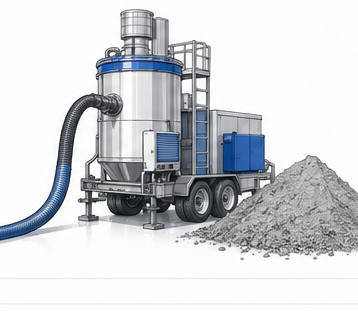
Large pile recovery, loadout cleanup, pits, and truck displacement opportunities.
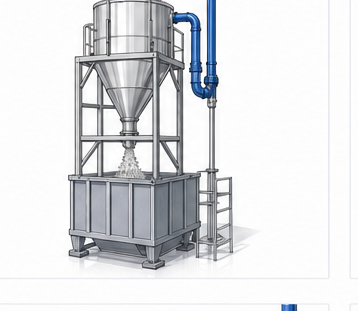
Dry material recovery with elevated discharge into drums, totes, hoppers, or containers.
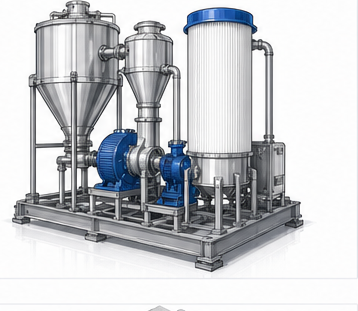
Fixed multi-drop cleanup for large facilities with repeatable problem zones.
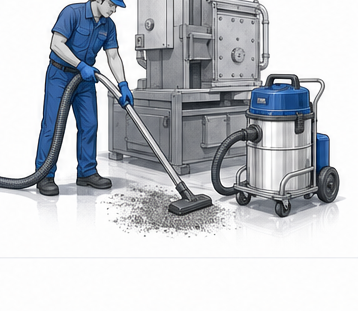
Maintenance, spot cleanup, and smaller zones where central access is not practical.
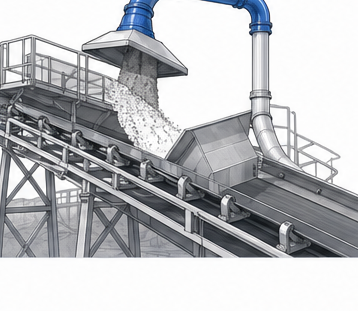
Capture at transfer, crushing, screening, blending, and handling points where fit allows.
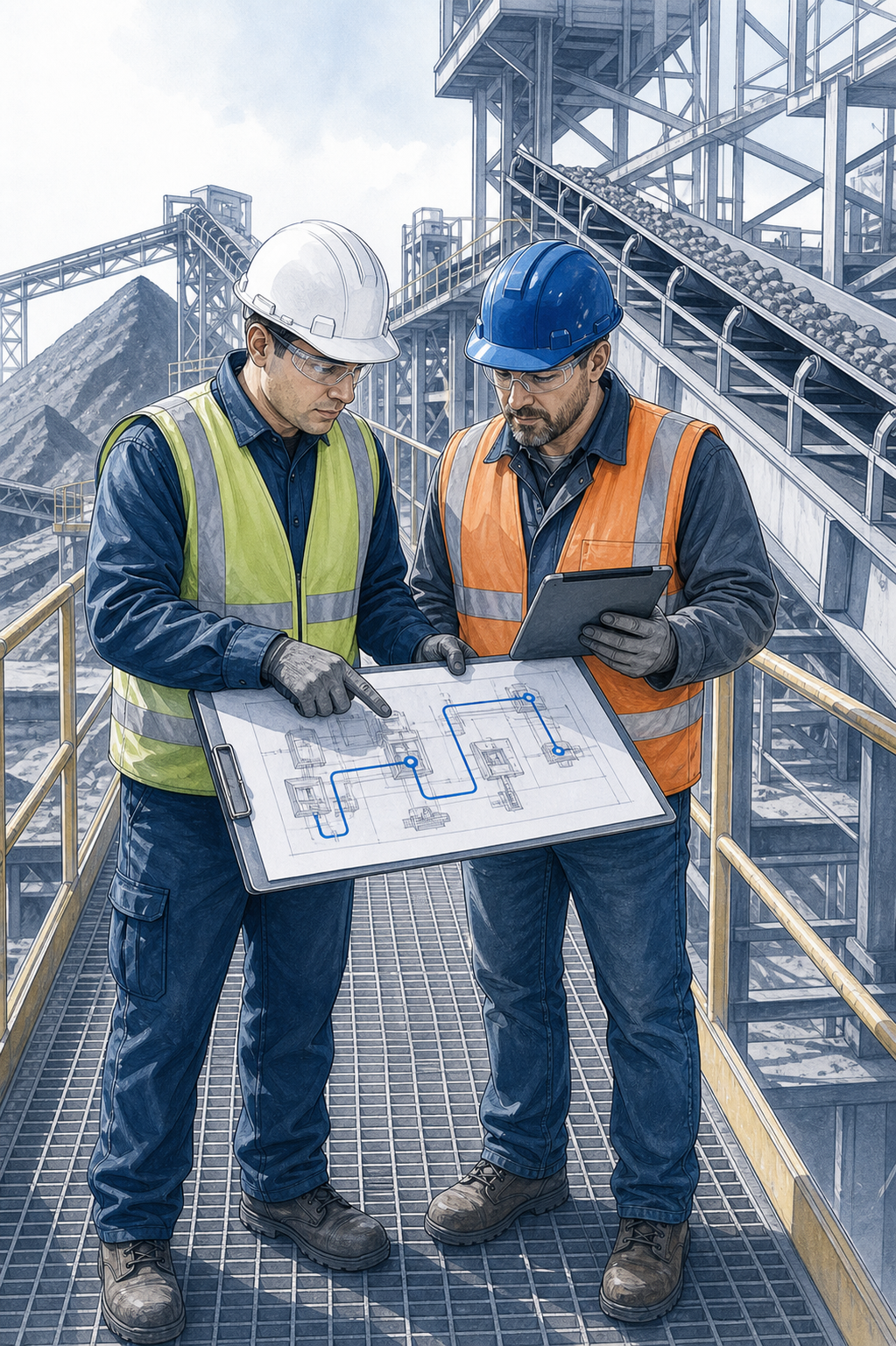
TVD reviews the material, lift, route distance, operator access, utilities, and collection logistics before recommending equipment.
Density, abrasiveness, particle size, moisture, and cleanup frequency determine the system path.
Drums, hoppers, roll-offs, totes, and disposal routes should be designed before the vacuum package is selected.
Filter access, separator cleanout, hose wear, and spare parts planning matter in harsh environments.
TVD aligns system design with your internal safety, insurer, and regulatory requirements. Final compliance determinations remain site-specific.
These answers focus on material recovery, uptime, and practical service.
In many high-volume cleanup applications, yes. TVD reviews material type, distance, access, and collection method to validate whether an installed system can replace or reduce outside service.
They can be specified for abrasive service, but hose, tooling, separator, and wear-part choices need to match the material.
Often, but long pipe runs, lift, simultaneous users, and material density must be modeled before committing to central vacuum.
Yes. TVD plans filters, hoses, accessories, and maintenance access as part of the system design.
Bring TVD in to review material type, cleanup frequency, route distance, power availability, discharge method, source capture needs, and outside-service reduction potential.