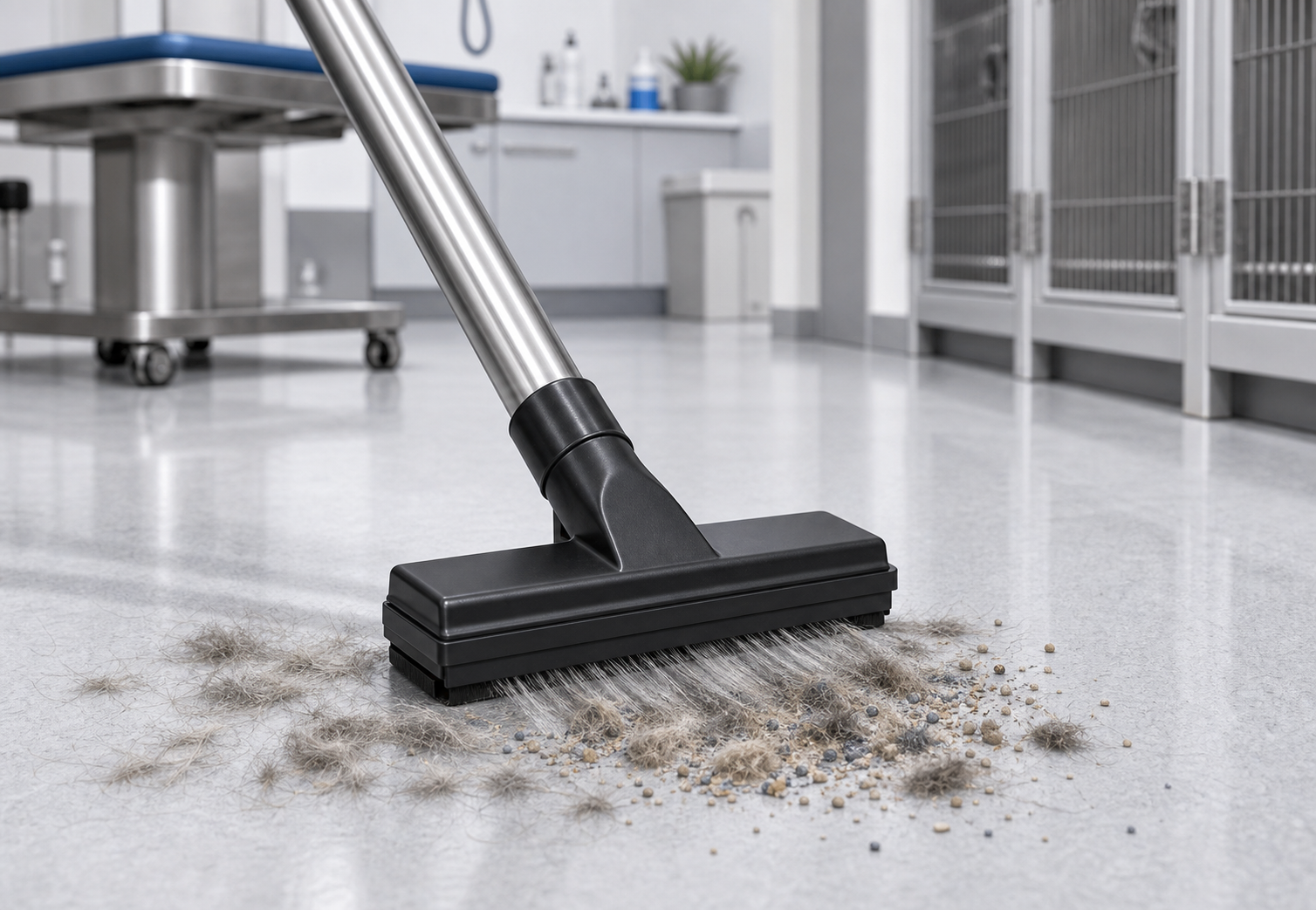
Capture fur before it travels.
Vacuum inlets and separator collection near grooming and kennel zones help keep hair, litter, and debris out of public areas.
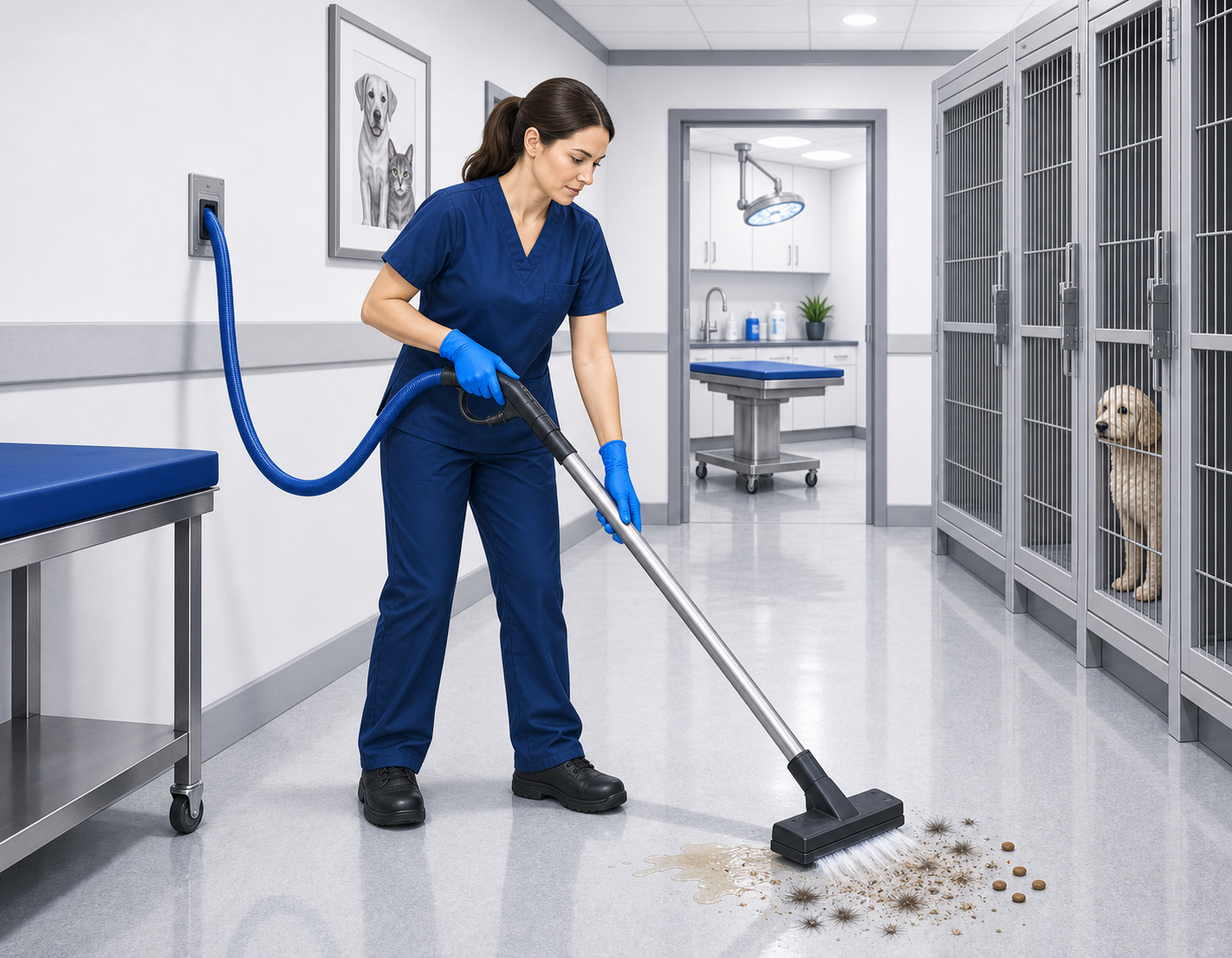
TVD designs central wet/dry vacuum access, hose reels, separator/strainer collection, filtration, and sprayer-ready cleanup workflows for clinics, grooming areas, kennels, treatment spaces, and pet-care operations.
Pet accidents, hair, dander, litter, tracked debris, wash-down water, treatment-room mess, grooming waste, and wet spills need cleanup access that is close, serviceable, and easy for staff to use.
Vacuum inlets and separator collection near grooming and kennel zones help keep hair, litter, and debris out of public areas.
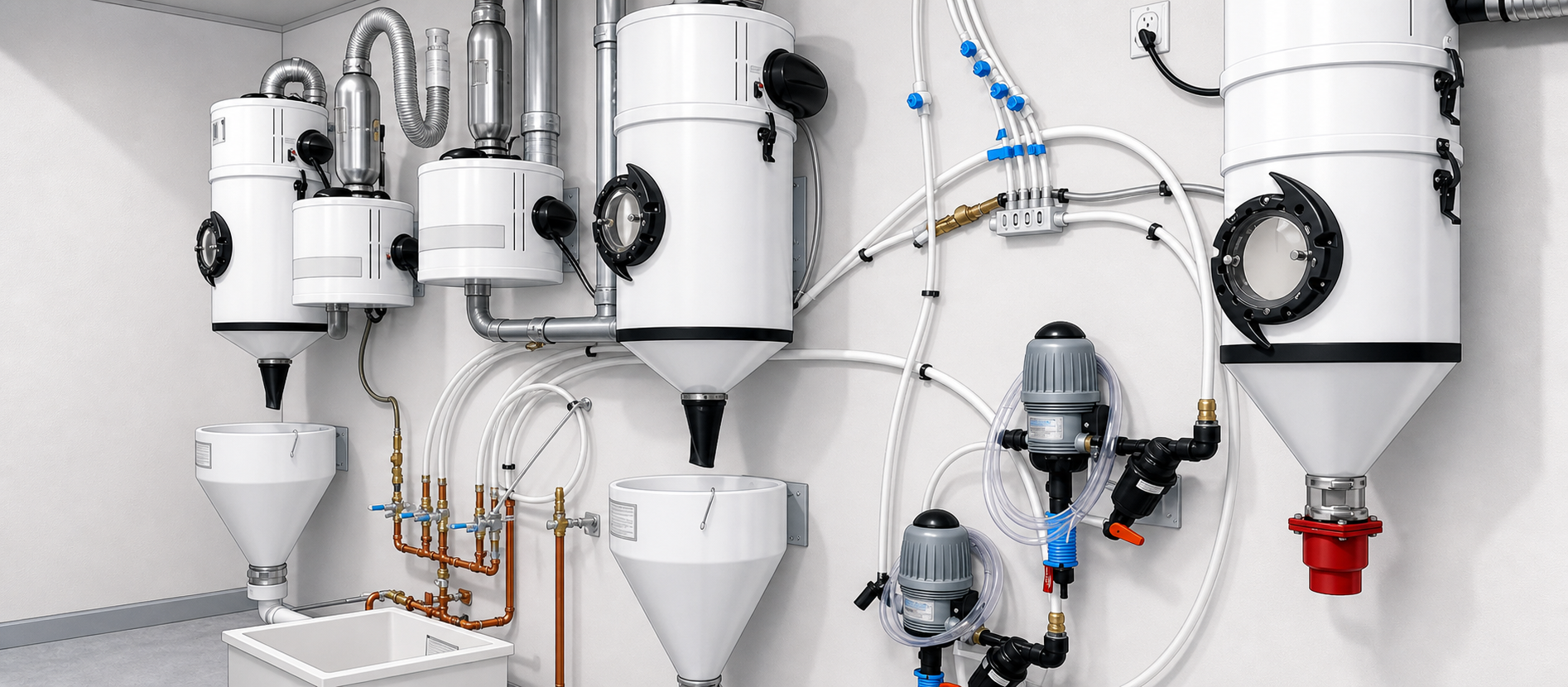
Remote collection and filtration can support fine dander control while keeping maintenance away from client-facing spaces.
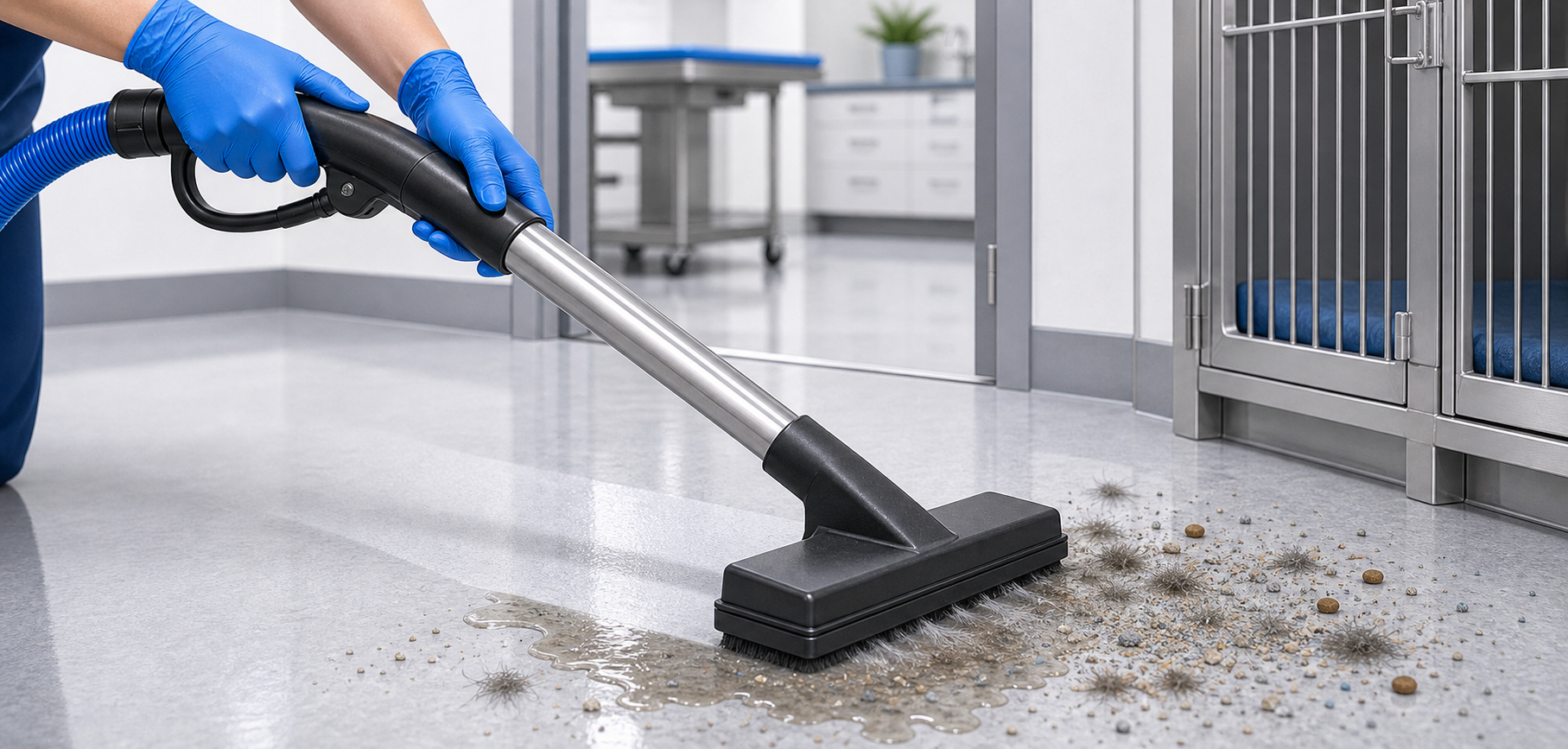
Correct inlet placement, sprayer support, and floor tools help teams clean between appointments, boarding turnover, and end-of-day routines.
TVD plans vacuum access around room use, hose reach, flooring, wet/dry recovery, separator service, drain location, and collection access.
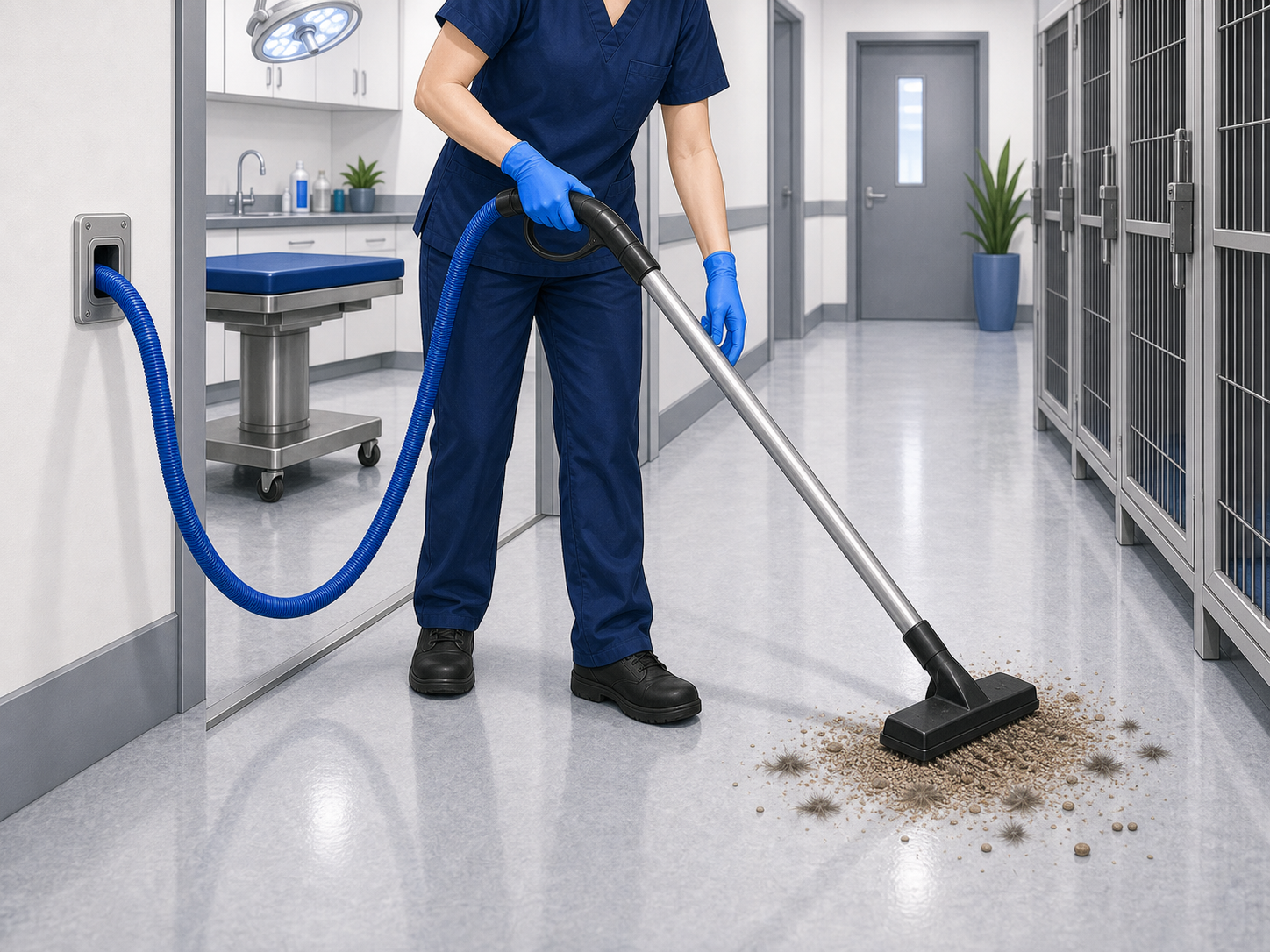
Central access helps staff clean repeat-use areas without moving equipment, buckets, or shop vacs room to room.
Piping can be planned around existing ceilings, chases, closets, and service spaces.
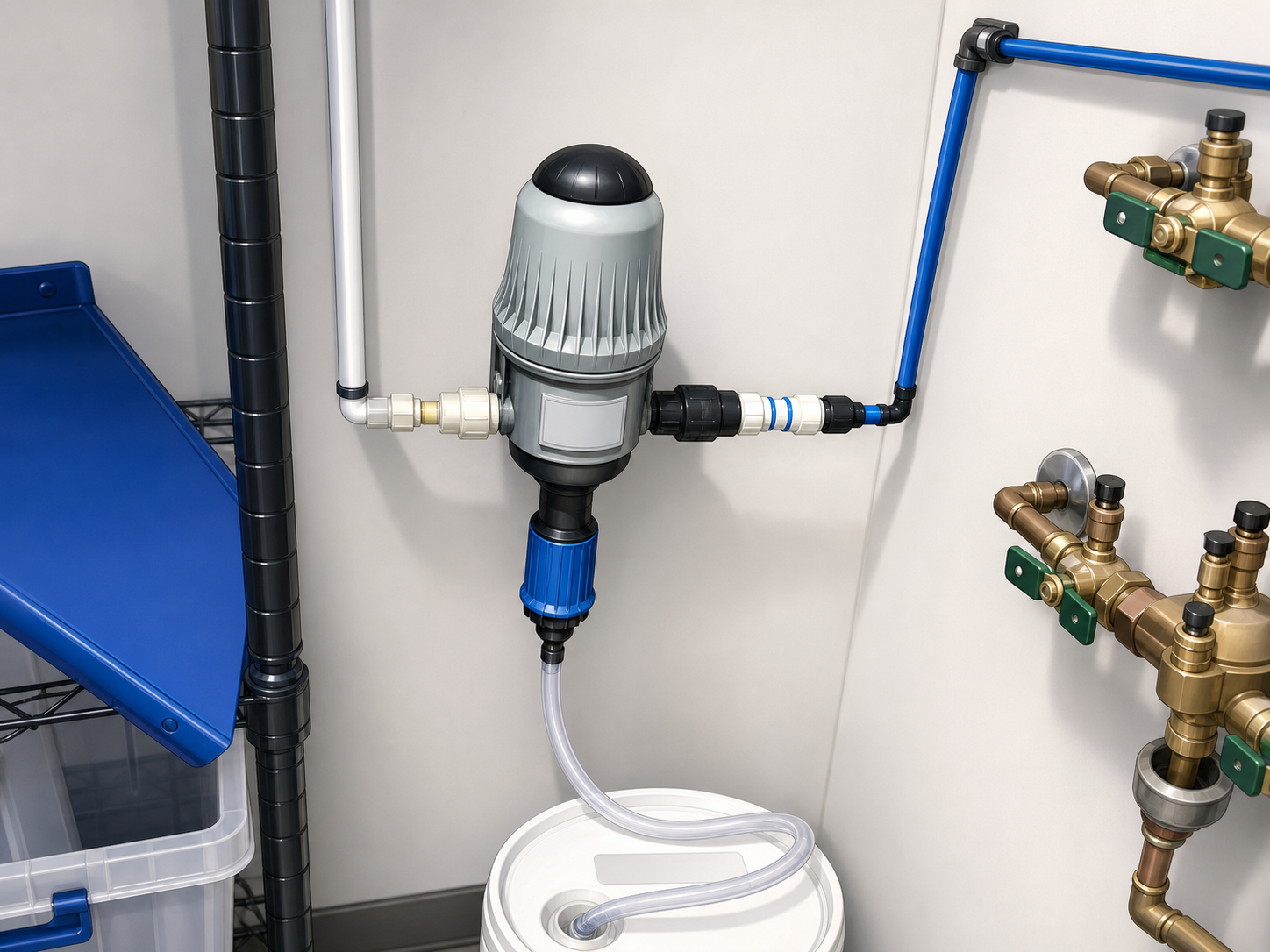
Separators, strainer baskets, sprayer accessories, and floor tools can support liquids, debris, fur, and general housekeeping.
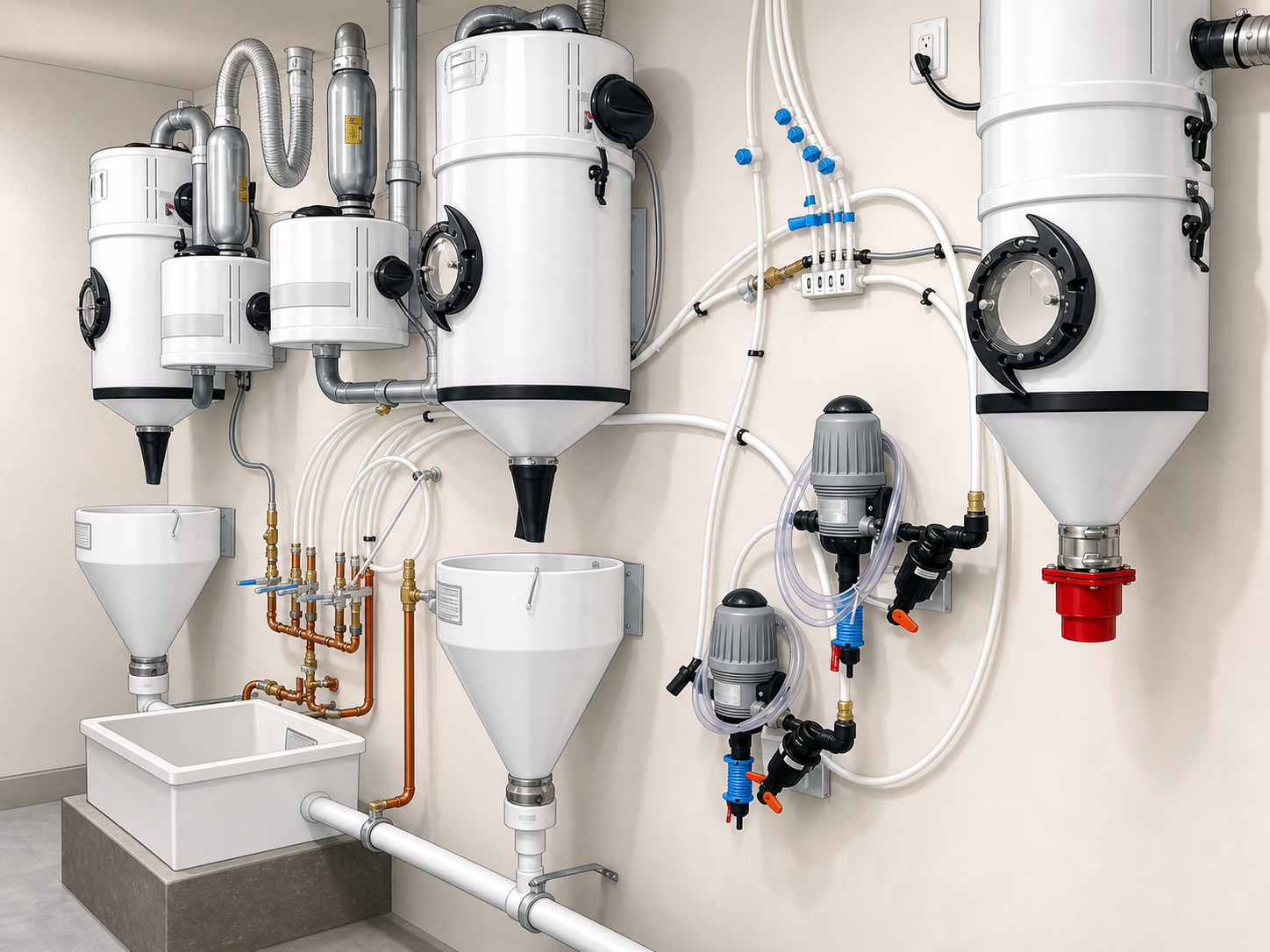
Collection, separator, drain, and power-unit locations stay out of clinic traffic while remaining serviceable.
Veterinary and pet-care facilities need central vacuum access, hose management, wet separation, filtration, drain handling, accessories, and retrofit service planned together.
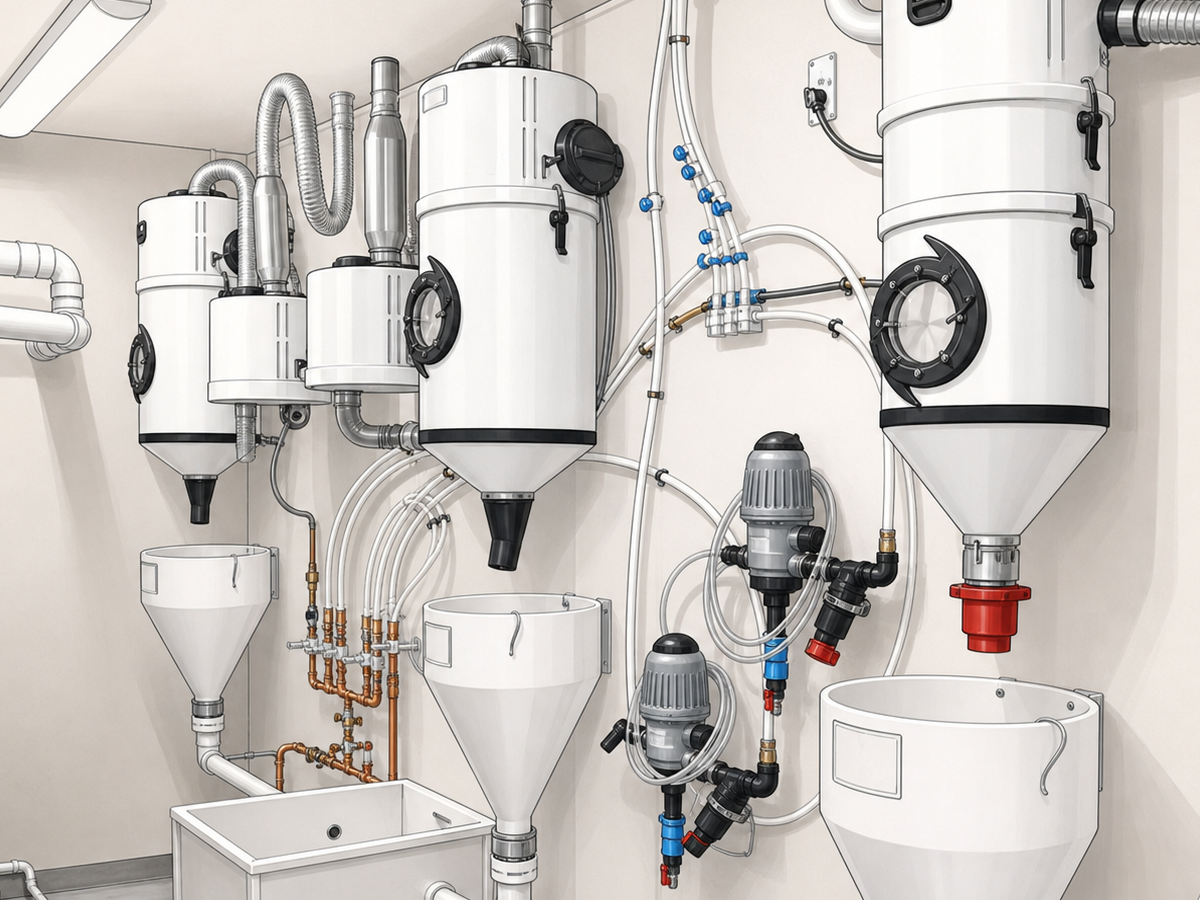
Utility-room wet/dry collection with separator/strainer support for clinics, grooming, boarding, and kennel routes.
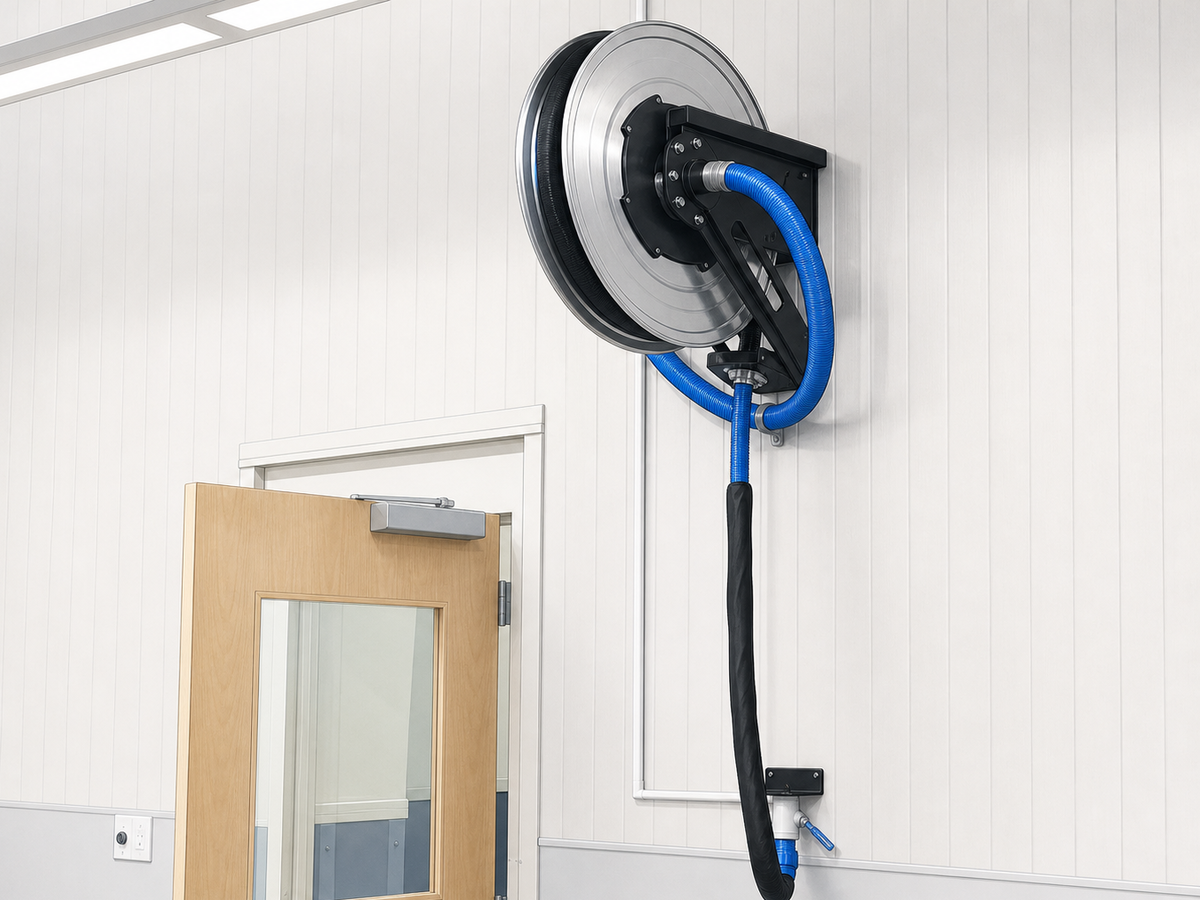
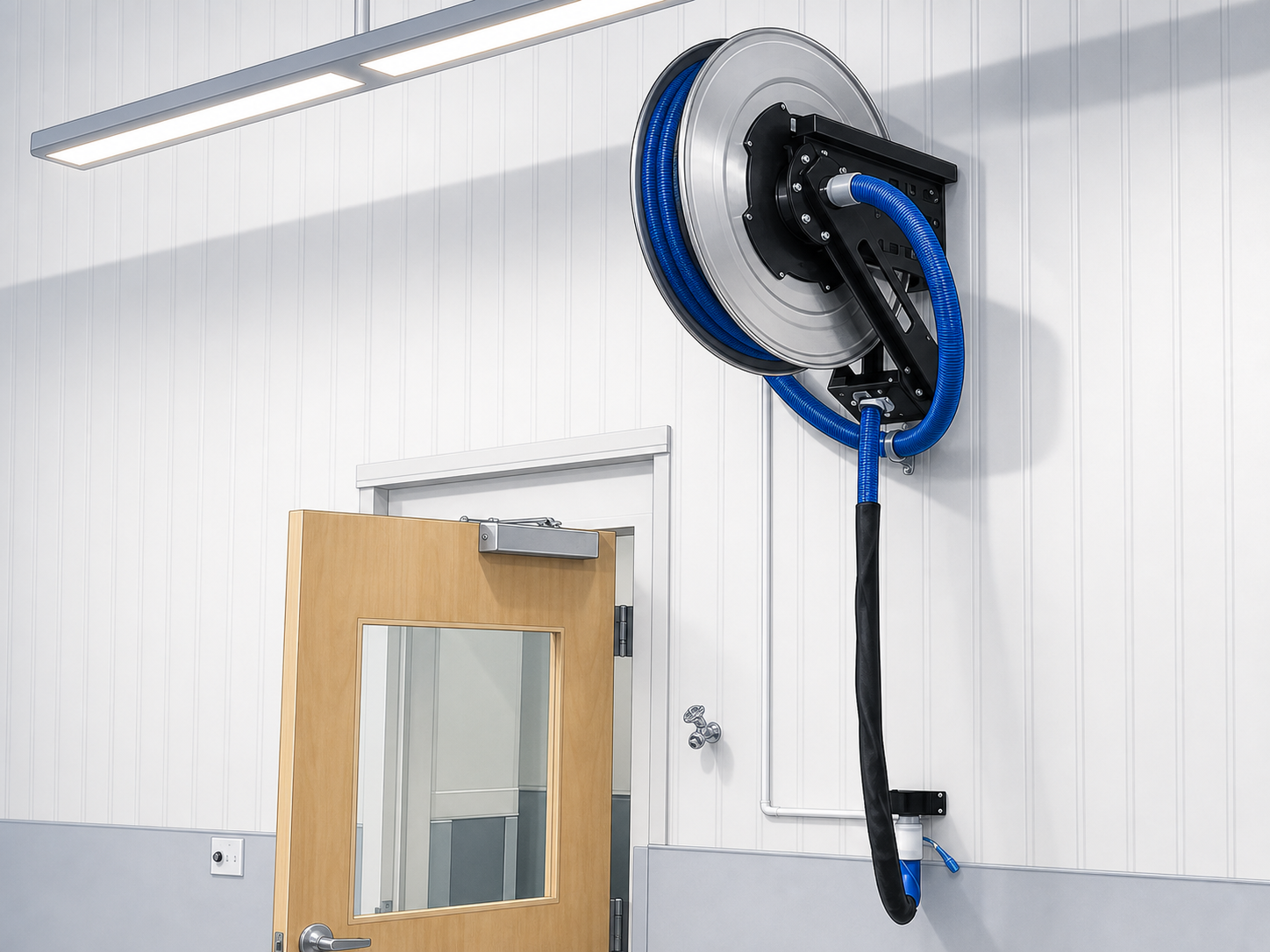
Dedicated hose storage and inlet placement keep squeegee wands and cleanup tools staged near grooming, kennel, and treatment work.
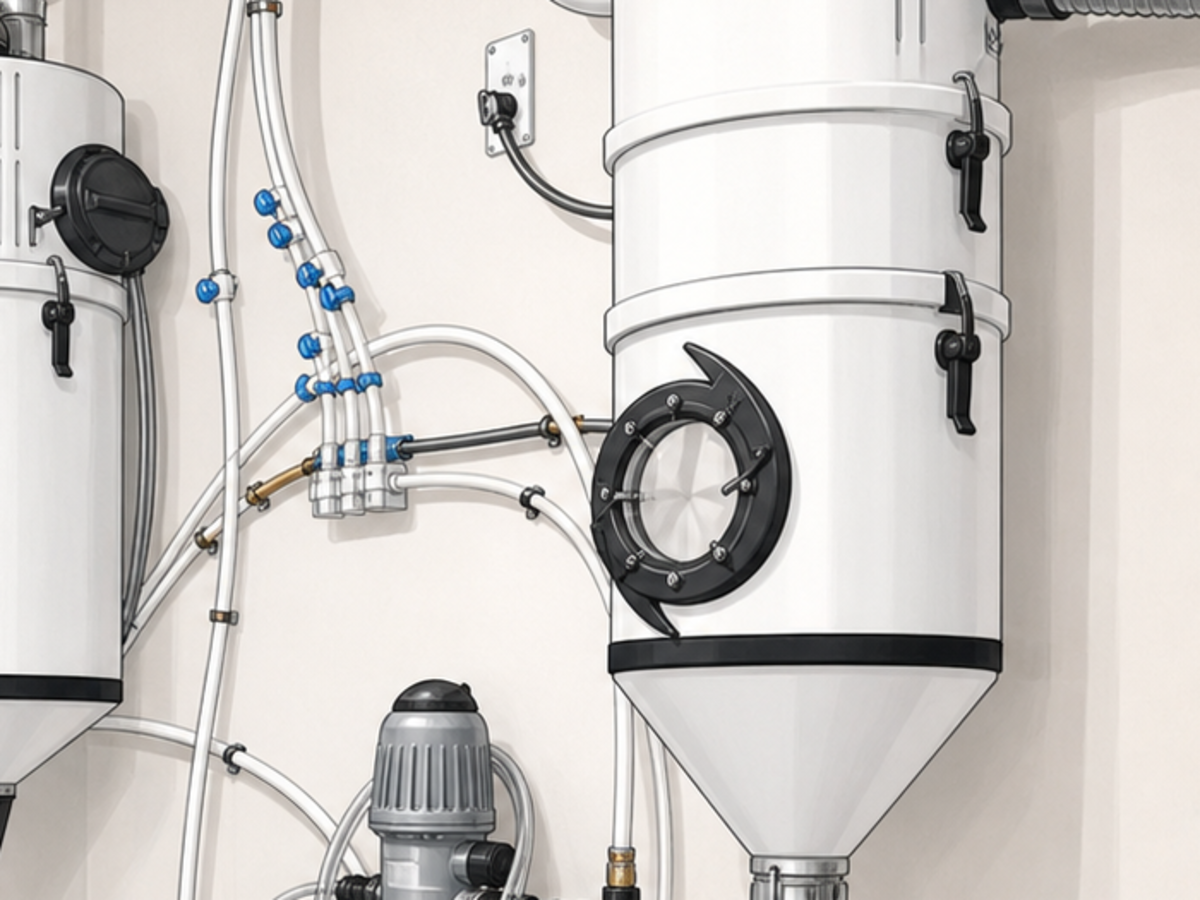
Back-room collection and filtration support fur, dander, fine debris, allergen capture, and indoor air quality objectives.
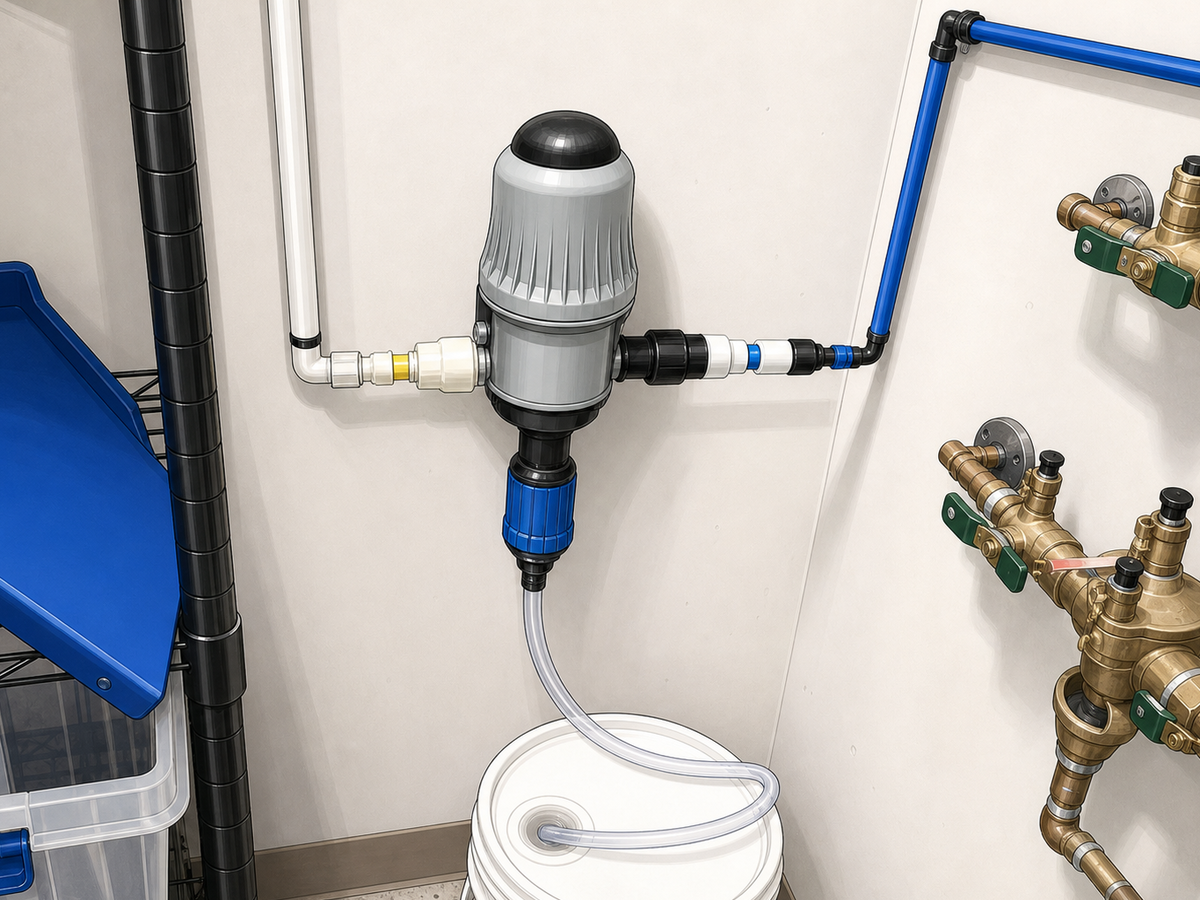
Support for spills, wash-down, disinfectant pre-cleaning, and liquid recovery where the system is specified for it.
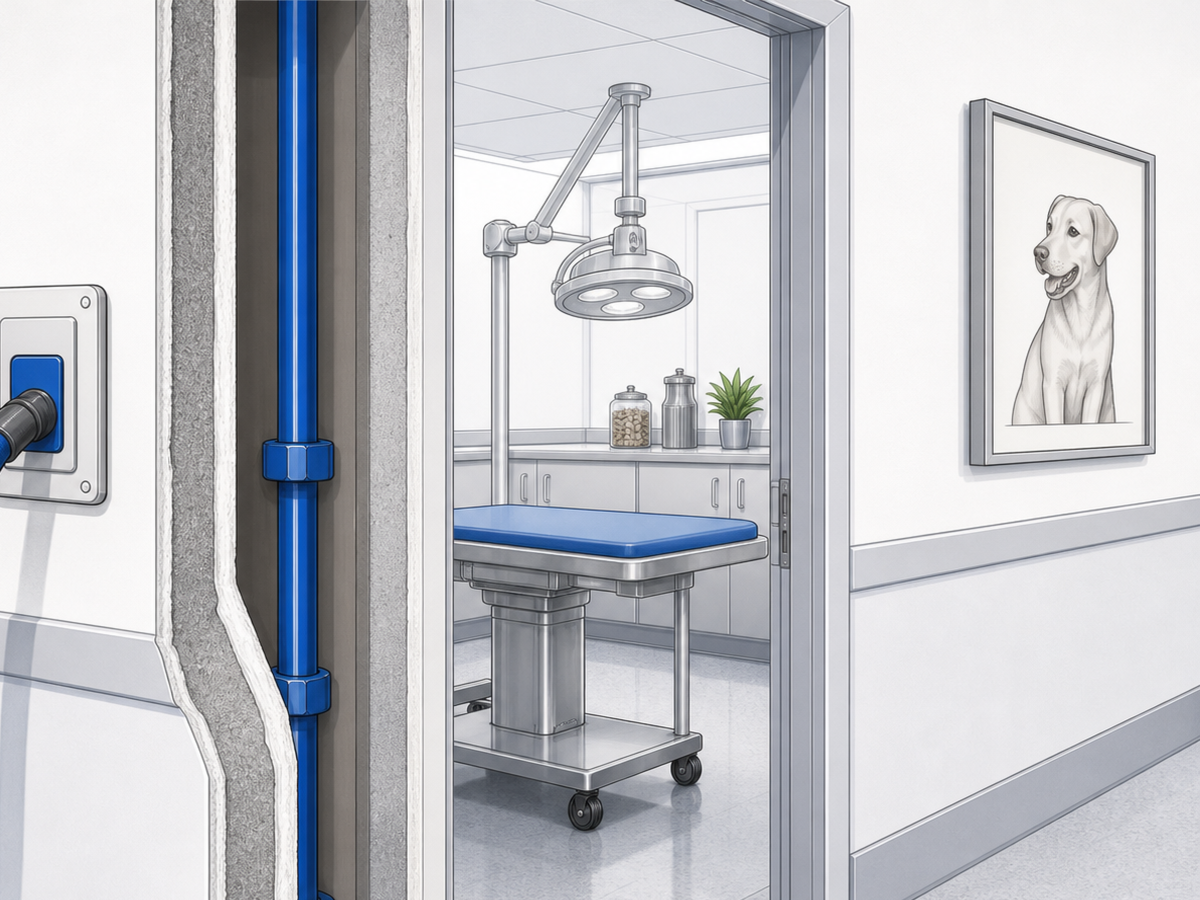
Routing, inlet placement, and collection locations planned around operating facilities.
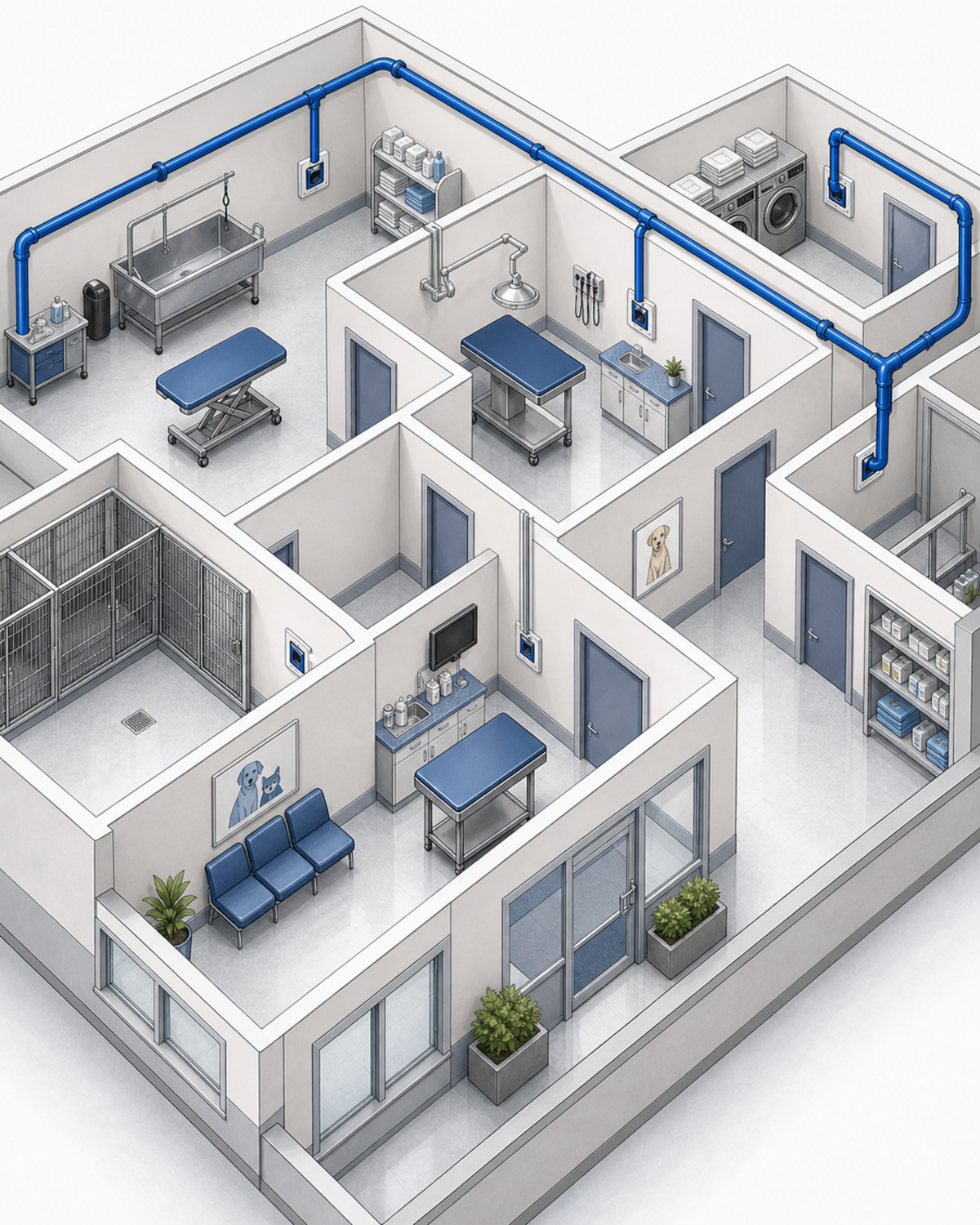
The best system is the one staff will use. TVD designs around hose reach, room turnover, wash-down workflow, client flow, noise, collection access, and maintenance.
Grooming, kennel, exam, treatment, laundry, and reception areas create different solids, liquids, odor, and disinfection-prep needs.
Hose reach, floor tools, and storage matter. If access is inconvenient, cleanup falls back to mops, buckets, and carts.
Filters, strainers, drains, flushing routines, and separators should be easy to reach without disrupting client-facing areas.
TVD designs systems to support cleaner workflows. OSHA, AAHA-style cleaning expectations, plumbing/backflow requirements, and your facility policies define the final procedures.
These answers focus on staff workflow, fur, wet cleanup, separator maintenance, and retrofit practicality.
Yes, when the inlet layout, hose diameter, filtration, and separator/strainer collection are selected for fur, litter, and debris load.
Some systems can support wet recovery with the right separator, drain handling, sprayer support, and squeegee or floor-wand accessories. TVD confirms wet/dry needs during design.
No. Vacuuming supports solids and liquid removal before your facility's cleaning and disinfection procedures, including any required disinfectant contact time.
Equipment can often be located remotely, with routing and collection planned away from sensitive spaces.
Wet/dry systems can be designed with drain discharge, removable strainers, flushing routines, and compatible cleaning accessories so waste does not sit in clinic work areas.
Bring TVD in to review room flow, grooming load, wet cleanup needs, hose access, separator service, plumbing, and collection location before your next buildout or renovation.