Keep bays turning.
Vacuum access near the work reduces wasted steps and keeps detailing, wash, and service teams moving.
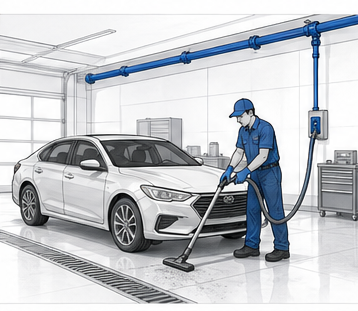
TVD designs central vacuum, detailing drops, coin-operated vacuum, shop cleanup, wet recovery, and exhaust extraction systems around automotive facility workflow.
Detailing bays, service lanes, wash tunnels, customer vacuum islands, body work, and maintenance zones each need a different cleanup and extraction path.
Vacuum access near the work reduces wasted steps and keeps detailing, wash, and service teams moving.
Interior debris, dust, water, grit, and shop waste need accessories and separators matched to the task.
Exhaust and dust extraction should be planned around the bay layout and operator behavior.
TVD reviews service lanes, wash flow, detailing stations, hose access, customer use, utilities, and maintenance areas.
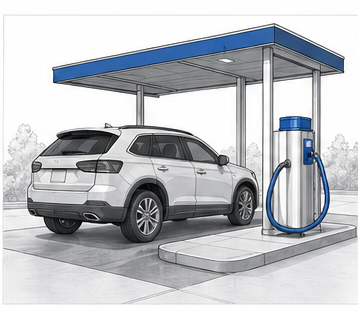
Central or distributed vacuum layouts support customer islands and staff cleanup routes.
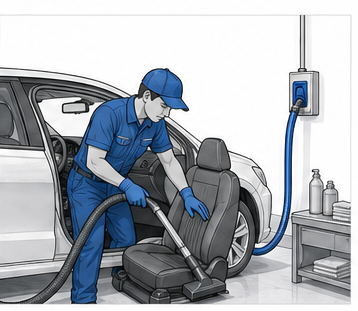
Drops and tools can be placed for detailing, upholstery, mat cleaning, and final inspection.
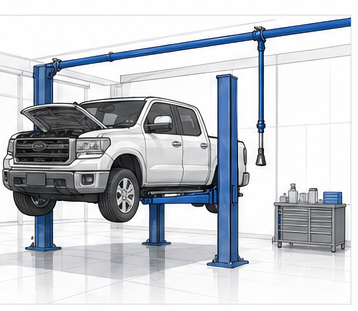
Overhead or wall-mounted access keeps hoses reachable without blocking bay movement.
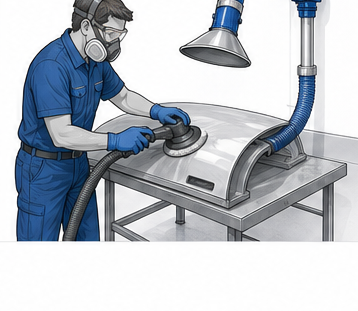
Point-source dust capture and extraction can be coordinated around prep, sanding, and repair areas.
Automotive sites may need customer vacuum stations, shop vacuum, exhaust extraction, wet recovery, or a hybrid system.
Vacuum stations for customer or staff use with collection and service access planned upfront.
Hose drops and accessories for upholstery, mats, footwells, and final cleanup.
Overhead and wall-mounted hose access for service lanes, fleet bays, and maintenance areas.
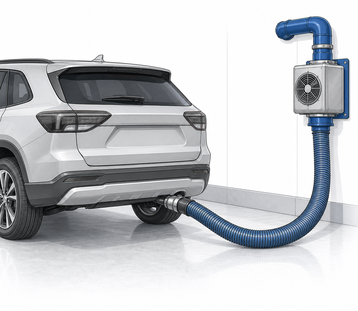
Vehicle exhaust capture support for service bays where needed.
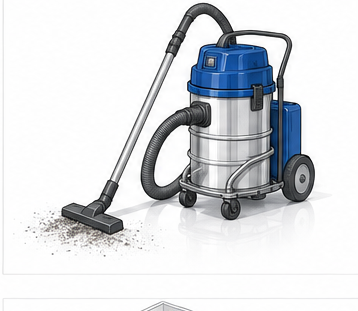
Portable industrial units for maintenance, debris, and flexible cleanup.
Point-source collection planning for sanding or other predictable dust sources where applicable.
Automotive systems need to be easy for staff or customers to use, simple to service, and placed where equipment will not interrupt the operation.
Vehicle flow, customer areas, detailing bays, and service lanes drive hose placement and equipment location.
Customer vacuums, staff detailing, exhaust extraction, and shop cleanup should not be forced into one generic design.
Collection bins, filters, hoses, and motors should be reachable without taking critical bays offline.
TVD designs systems to support cleaner bays, repeatable workflows, and extraction goals. Final code and compliance requirements remain site-specific.
These answers focus on car wash, detailing, service bay, and retrofit needs.
Yes. TVD can plan central vacuum stations, piping, hose access, collection, and maintenance around customer traffic.
Sometimes. It depends on debris type, wet pickup needs, operator count, and whether customer-facing vacuums are part of the system.
TVD can support exhaust extraction planning for automotive service environments where that scope is needed.
Often, yes. Retrofit sequencing depends on bay access, utility routes, ceilings, and service windows.
Send TVD your floorplan or bay layout so we can review customer vacuum demand, detail routes, service bay drops, exhaust needs, utilities, and maintenance access.