
Combustible dust control starts with the hazard review, then turns into practical housekeeping equipment that operators can actually use.
Combustible dust does not care whether a plant calls it cleanup, scrap, residue, powder, fines, or housekeeping. If a material can burn in fine particulate form, and the facility gives it dispersion, confinement, oxygen, and an ignition source, the risk can move from nuisance dust to fire or explosion hazard.
TVD Industries designs industrial vacuum systems for manufacturing, food, metal, chemical, plastics, woodworking, grain, feed, and packaging facilities that need a cleaner way to remove settled dust and recurring spills. The right answer is not a generic dust collector, a larger shop vacuum, or a sales brochure that promises compliance. It is a site-specific system built around the dust hazard analysis, operator workflow, pickup velocity, filtration, static control, collection method, and how the plant proves housekeeping is repeatable.
NFPA 660 Changed the Language Around Combustible Dust
NFPA 660, Standard for Combustible Dusts and Particulate Solids, is the current consolidated NFPA standard for combustible dusts. Older documents, insurance audits, and plant binders may still refer to NFPA 652 fundamentals, NFPA 61 for agricultural and food processing, NFPA 484 for combustible metals, NFPA 654 for general combustible particulate solids, or NFPA 664 for woodworking. Those references still matter as historical context, but a current project should be framed around the NFPA 660-era hazard review.
OSHA also keeps combustible dust on the enforcement radar. The Revised Combustible Dust National Emphasis Program is current as Directive CPL 03-00-008, dated January 30, 2023. OSHA’s combustible dust overview notes that materials such as food powders, grain, plastics, wood, paper, rubber, pharmaceuticals, dyes, coal, and metals can be explosible as dust under the right conditions.
Practical point: TVD does not issue legal compliance certifications or replace your fire protection engineer, EHS consultant, insurer, or authority having jurisdiction. TVD designs the industrial vacuum system so the facility can support the compliance program with safer, repeatable housekeeping.
Dust Collection and Industrial Vacuum Are Not the Same Job
Combustible dust projects often mix two related but different systems. A dust collector is usually built for source capture or process ventilation. An industrial vacuum system is built to remove settled dust, spills, off-spec material, rail or truck unload residue, mezzanine accumulation, bag dump cleanup, floor piles, and hard-to-reach deposits before they become a larger housekeeping problem.
Many facilities need both. The dust collector keeps airborne process dust under control at the source, while the industrial vacuum gives operators a controlled way to remove dust that escapes, settles, or accumulates during real production. Sweeping and compressed air can move combustible dust into ledges, beams, cable trays, motors, wall cavities, and elevated surfaces where it becomes harder to inspect and harder to clean.
OSHA’s 29 CFR 1910.22 housekeeping rule requires walking-working surfaces to be kept clean, orderly, and sanitary. In a combustible dust facility, that basic housekeeping obligation becomes more serious because the material itself can become fuel when enough of it accumulates or becomes suspended.
What TVD Looks For Before Specifying Equipment
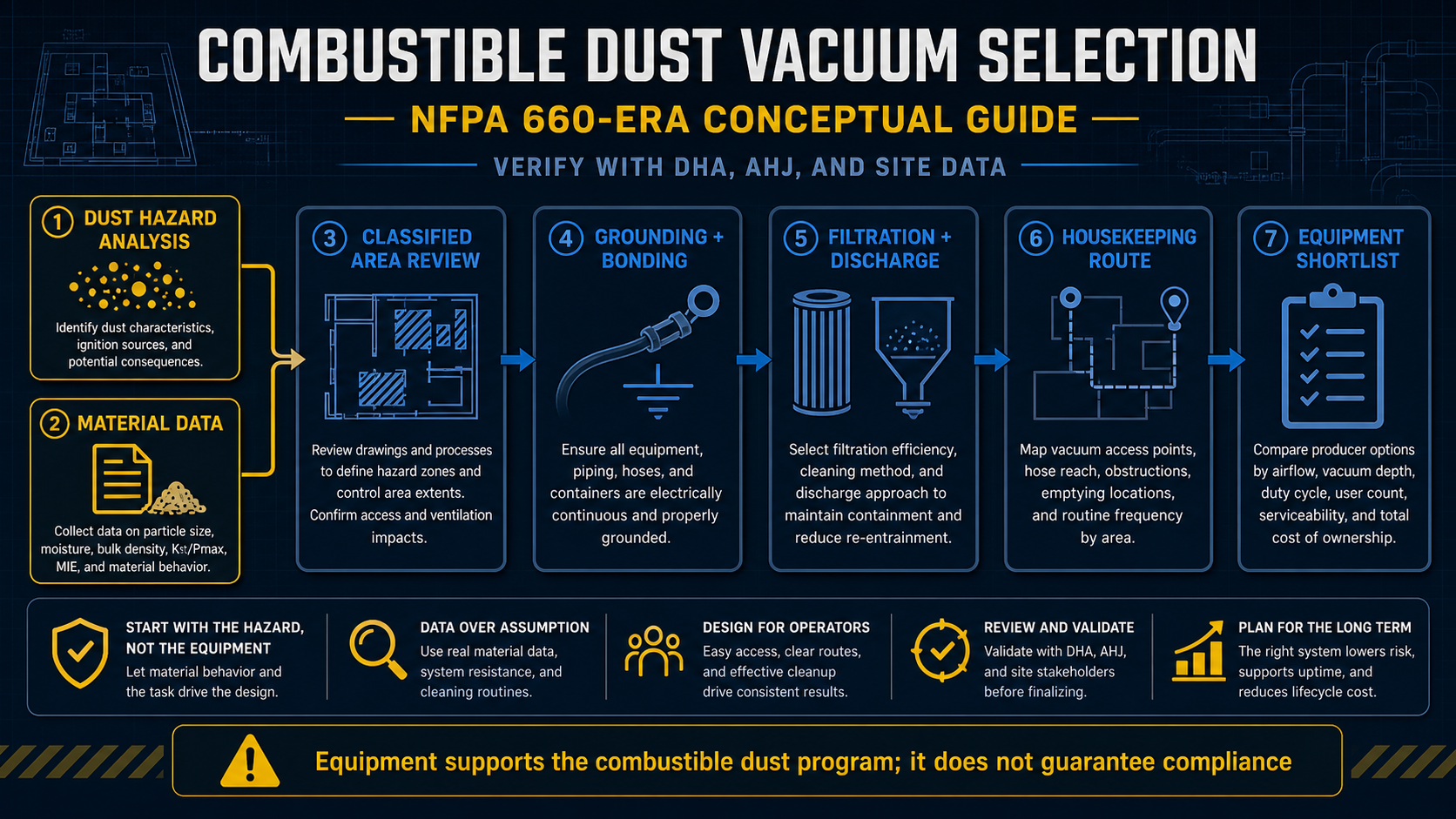
A serious combustible dust vacuum design starts on the floor. TVD reviews where the dust comes from, how it behaves, how operators clean today, what the DHA or insurer has already identified, and where a permanent vacuum system would actually reduce risk instead of sitting unused.
This is where equipment claims get corrected. The same DuroVac or Eurovac product line can be a good fit in one plant and wrong in another if the dust, pipe length, pickup tools, classified area, discharge point, or simultaneous user count changes.
DuroVac, Eurovac, Depureco, and Specialty Equipment Fit
TVD sells and specifies multiple industrial vacuum platforms because combustible dust work should be driven by the application. DuroVac is often the first platform to evaluate for heavy material, high-volume cleanup, central systems, hopper-based collection, and vac-truck replacement. Eurovac can fit distributed central vacuum access, production cleanup, and select portable or explosion-proof housekeeping applications where the specification matches the hazard classification.
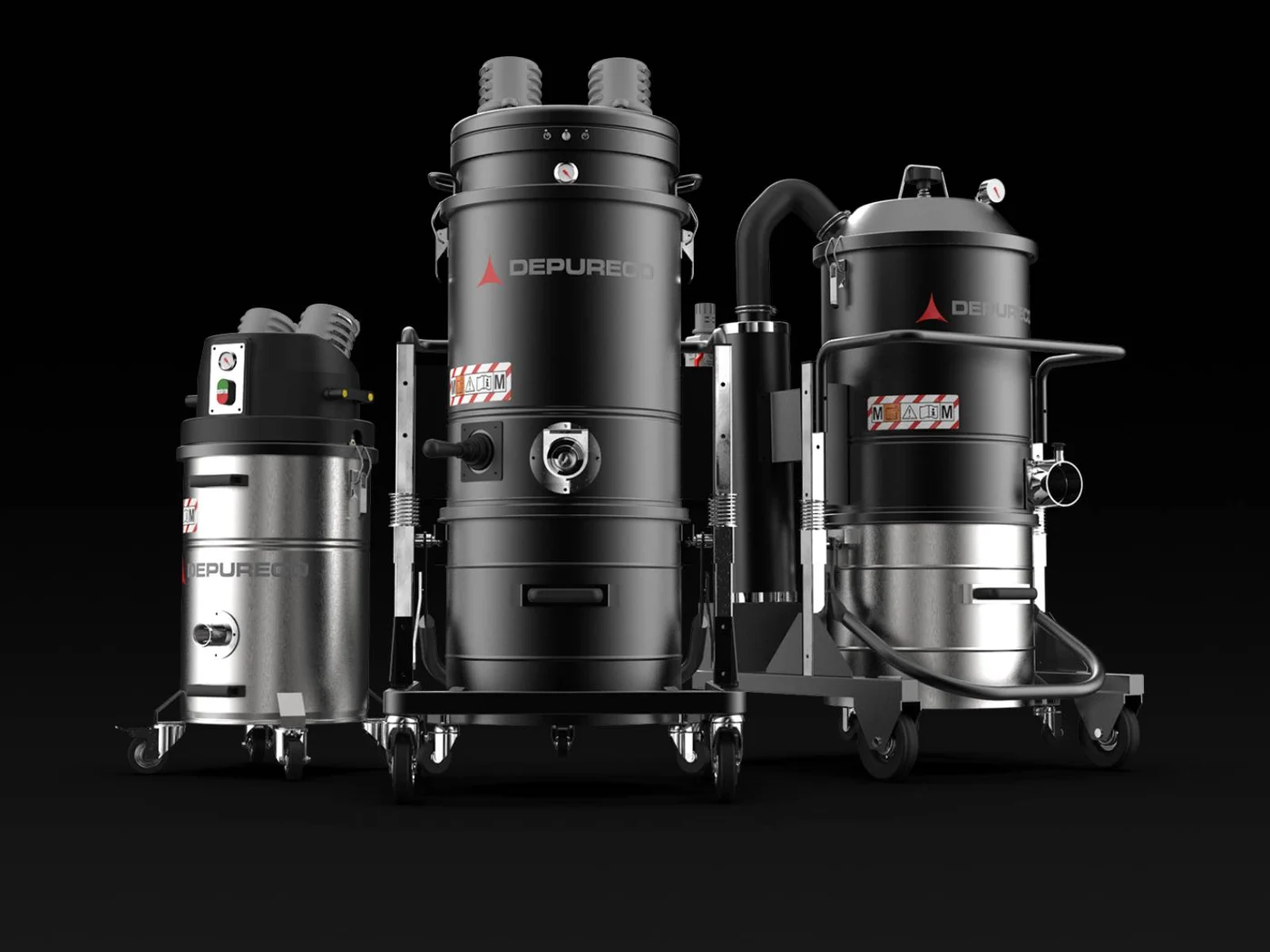
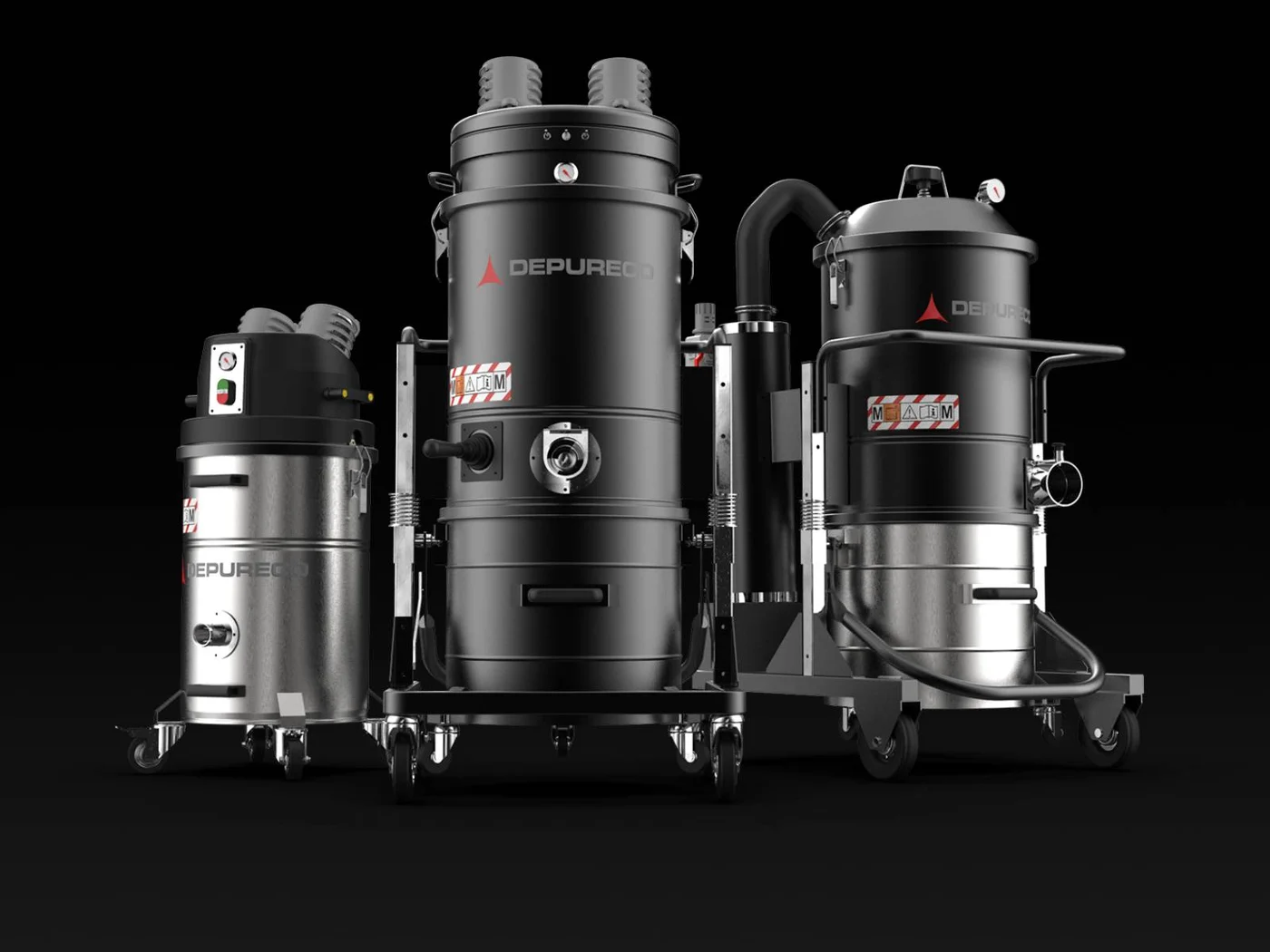
Depureco is TVD’s newest supplier to evaluate when the job needs a compact hazardous-dust vacuum, ATEX or ACD combustible-dust path, HEPA dust extraction, air-powered equipment, inerting for reactive dust, sump recovery, or a different portable/centralized configuration than DuroVac or Eurovac. The correct Depureco model still depends on the material, area classification, ignition-risk review, filter requirement, disposal method, and whether the plant needs ordinary-location ACD equipment or a classified-area ATEX system.
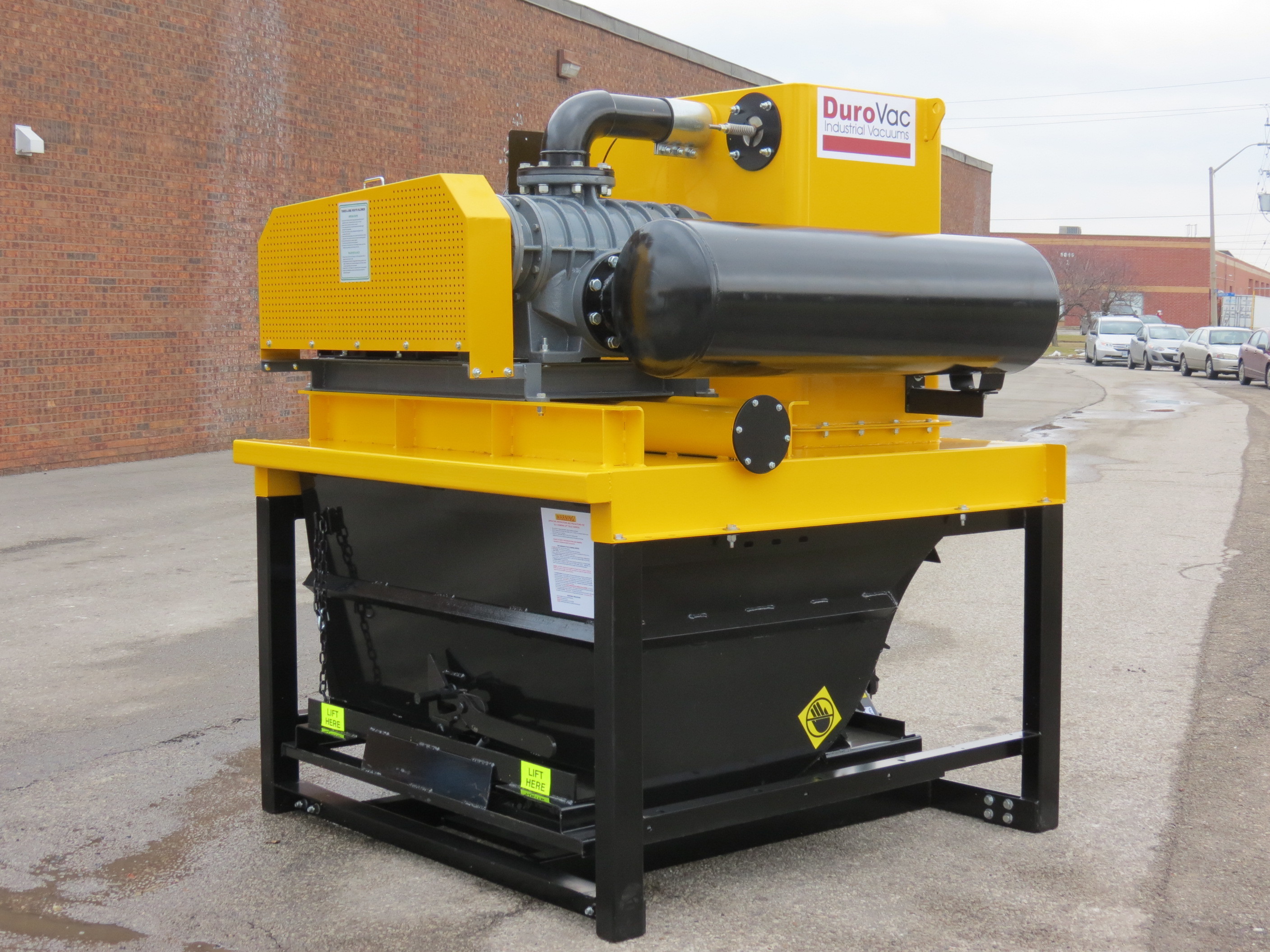
DuroVac PowerLift / DVR / DVP
Best starting point for heavy industrial housekeeping, material recovery, central vacuum layouts, long pickup runs, and plants replacing recurring outside cleanup.
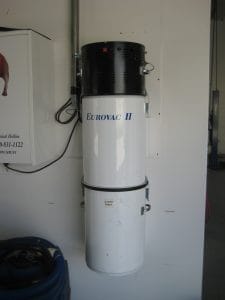
Eurovac Central and EX Options
Useful for multi-user cleanup, production access, and selected hazardous-location portable applications when the model, classification, and material data align.
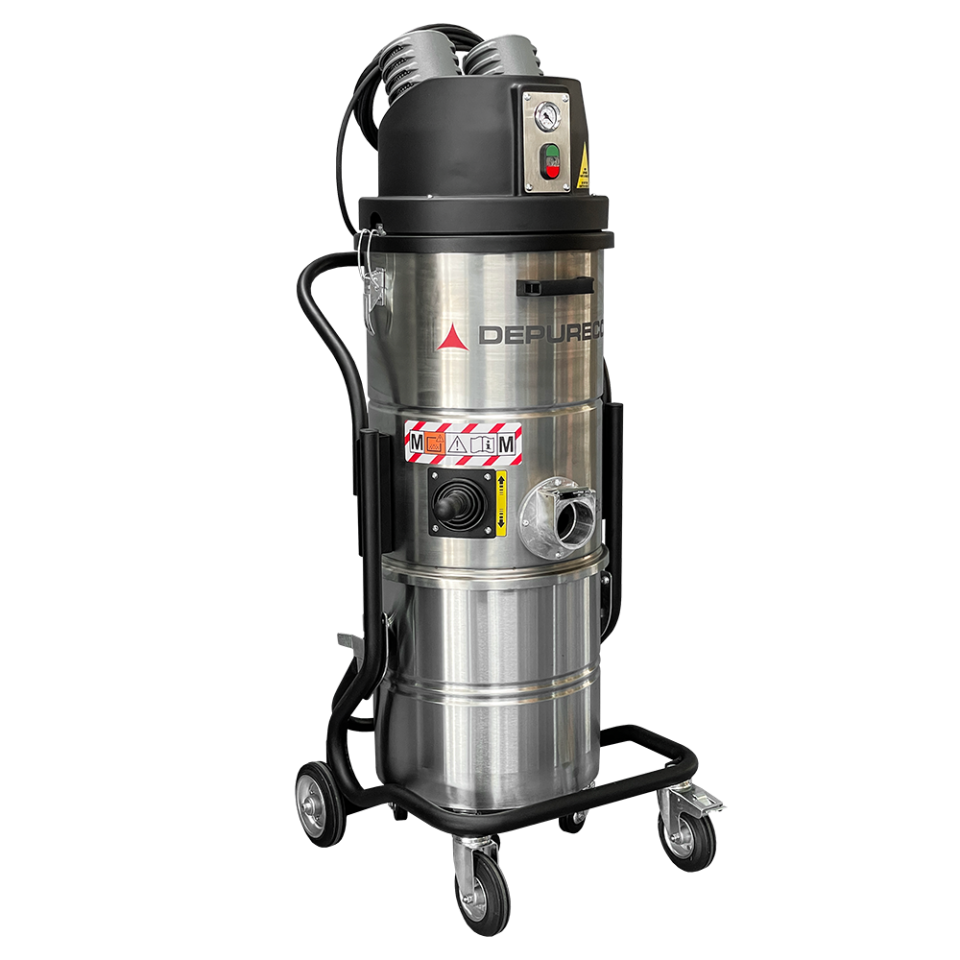
Depureco BL45 ATEX and DEX/ACD Options
Newest TVD supplier path for compact Zone 22 hazardous-dust cleanup, ordinary-location combustible-dust vacuums, air-powered systems, and inerting/wet collection when reactive dust changes the risk profile.
For classified-area portable cleanup or unusually sensitive combustible dust applications, TVD may also evaluate specialty platforms such as TigerVac or Ruwac. Those are not the default answer for every plant. They become relevant when the dust hazard analysis, electrical classification, material properties, or insurance requirement calls for equipment with specific hazardous-location ratings. Depureco also belongs in that specialty conversation, especially where a compact ATEX unit, ACD ordinary-location combustible-dust vacuum, air-powered vacuum, or inerting setup fits the hazard better than a larger central system.
Where Permanent Vacuum Systems Improve the Program
Permanent vacuum access changes the cleaning behavior. Instead of waiting for a vacuum truck, dragging a small unit across the plant, or sweeping dust into the air, operators can connect at fixed inlets and remove material before it spreads. That matters in facilities with recurring combustible dust from metal fines, grain, flour, sugar, starch, wood, plastics, carbon, rubber, pharmaceuticals, chemical powders, or additive manufacturing materials.
Permanent systems also help the paperwork match the floor. If the housekeeping program calls for daily cleanup in specific areas, the plant needs inlet locations, hoses, tools, separators, and collection methods that make that schedule realistic. Equipment that is hard to reach or miserable to empty tends to become a maintenance artifact instead of a risk-control tool.
Vac Truck Replacement Must Be Modeled, Not Promised
Vac truck replacement is a valid business case, but it should be modeled against actual invoices and cleanup frequency. In DuroVac’s steel manufacturer case study, iron dust from conveyor areas created health, safety, and housekeeping concerns, and DuroVac specified a PowerLift 40 connected to piping as a central vacuum. The case study reports that the manufacturer later had seven DuroVac PowerLift vacuums in multiple plants and achieved payback within months.
What the DuroVac case study proves
The point is not that every facility gets the same payback. The useful proof is that recurring heavy cleanup can justify permanent infrastructure when the plant has repeatable dust sources, enough collection volume, and enough operator access to replace a contractor-driven routine.
TVD uses that same discipline when evaluating a combustible dust cleanup project: current contractor spend, shutdown windows, staffing, disposal method, equipment maintenance, production interruption, and compliance risk all belong in the decision. The system should earn its place operationally, not rely on a generic savings claim.
What a Combustible Dust Vacuum Assessment Should Produce
A useful assessment should leave the facility with concrete decisions. It should identify priority cleanup zones, pickup-point locations, likely equipment platforms, pipe and hose constraints, filtration approach, receiver or hopper strategy, classified-area questions, and any gaps that need input from EHS, a fire protection engineer, the insurer, or the authority having jurisdiction.
No shortcut language: A vacuum system can support NFPA 660 and OSHA housekeeping obligations, but equipment alone is not a compliance guarantee. Compliance depends on the material, the site conditions, the DHA, the installation, and the operating program.
Frequently Asked Questions
Is NFPA 652 still the right standard to mention?
It is still common in older audits and plant documents, but NFPA 660 is now the current consolidated NFPA combustible-dust standard. TVD can interpret legacy references while designing around current requirements and the site’s DHA.
Can an industrial vacuum replace a dust collector?
Usually no. A dust collector is generally for source capture or process ventilation. An industrial vacuum removes settled dust, spills, and accumulations. Many combustible-dust facilities need both systems working together.
Do DuroVac or Eurovac systems automatically make a facility compliant?
No. Equipment must be selected, installed, grounded, filtered, discharged, maintained, and documented for the actual hazard. The DHA, facility procedures, and authority requirements drive the final compliance story.
When does a plant need explosion-proof or hazardous-location equipment?
That depends on the classified area, dust properties, ignition sources, and the authority having jurisdiction. TVD reviews the application and can evaluate DuroVac, Eurovac, Depureco, TigerVac, Ruwac, or other specialty equipment when the classification requires it.
Need a Combustible Dust Vacuum System Built Around the Actual Hazard?
TVD Industries can walk the floor, review the cleanup routine, and recommend an industrial vacuum layout that supports your DHA, housekeeping program, and production reality.
Book an intro call with Aaron