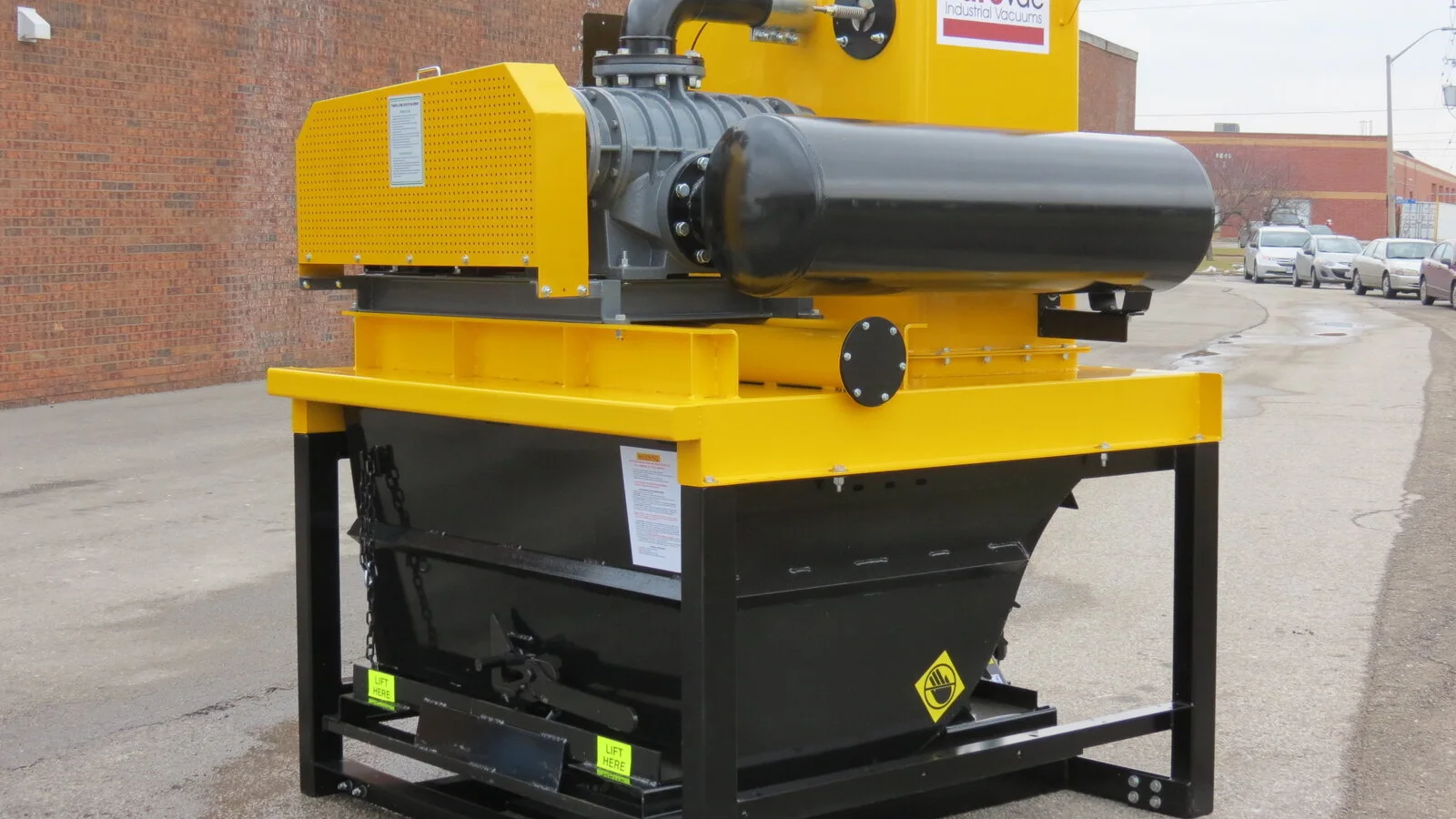

When cleanup depends on a contractor schedule, housekeeping becomes a calendar problem. A permanent industrial vacuum system gives the plant cleanup access whenever material hits the floor.
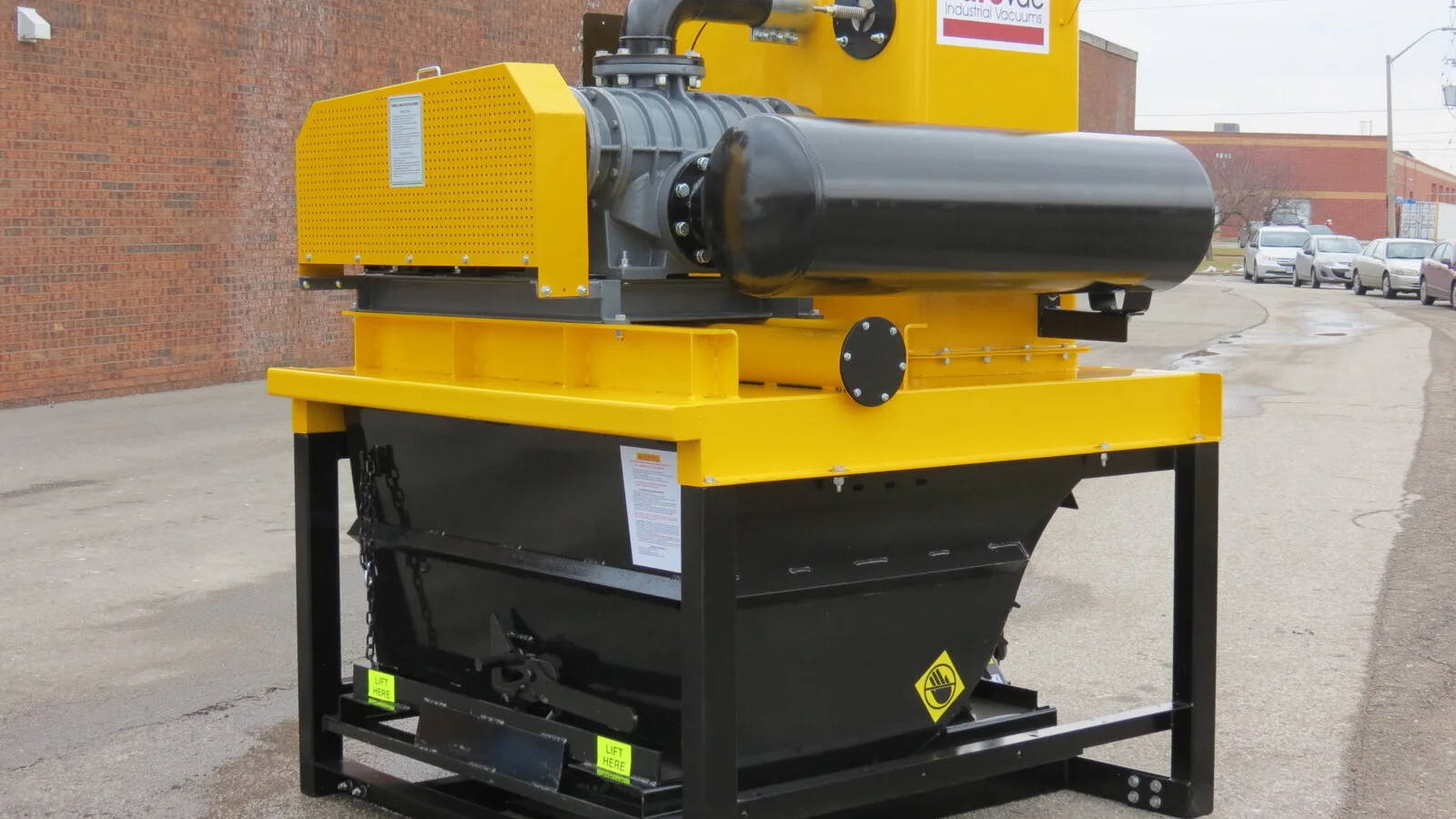
Vac truck service is useful for some jobs, but it is an expensive operating habit when a facility needs routine heavy cleanup. The truck has to be scheduled, staged, operated, and paid for every time. A permanent system gives maintenance and production teams a different option: pull a hose, open an inlet, collect the material, and keep the housekeeping program moving.
For TVD Industries, the conversation is rarely “truck bad, vacuum good.” It is more practical than that. The question is whether the material, frequency, access points, and compliance exposure justify an engineered in-plant vacuum system. In many manufacturing environments, especially where DuroVac PowerLift or central systems fit, the answer is yes.
Selection rule: if your plant calls a vac truck for the same material in the same zones over and over, that is not a one-time cleanup problem. It is a permanent housekeeping requirement, and it deserves a permanent system review.
Why Vac Truck Costs Get Out of Control
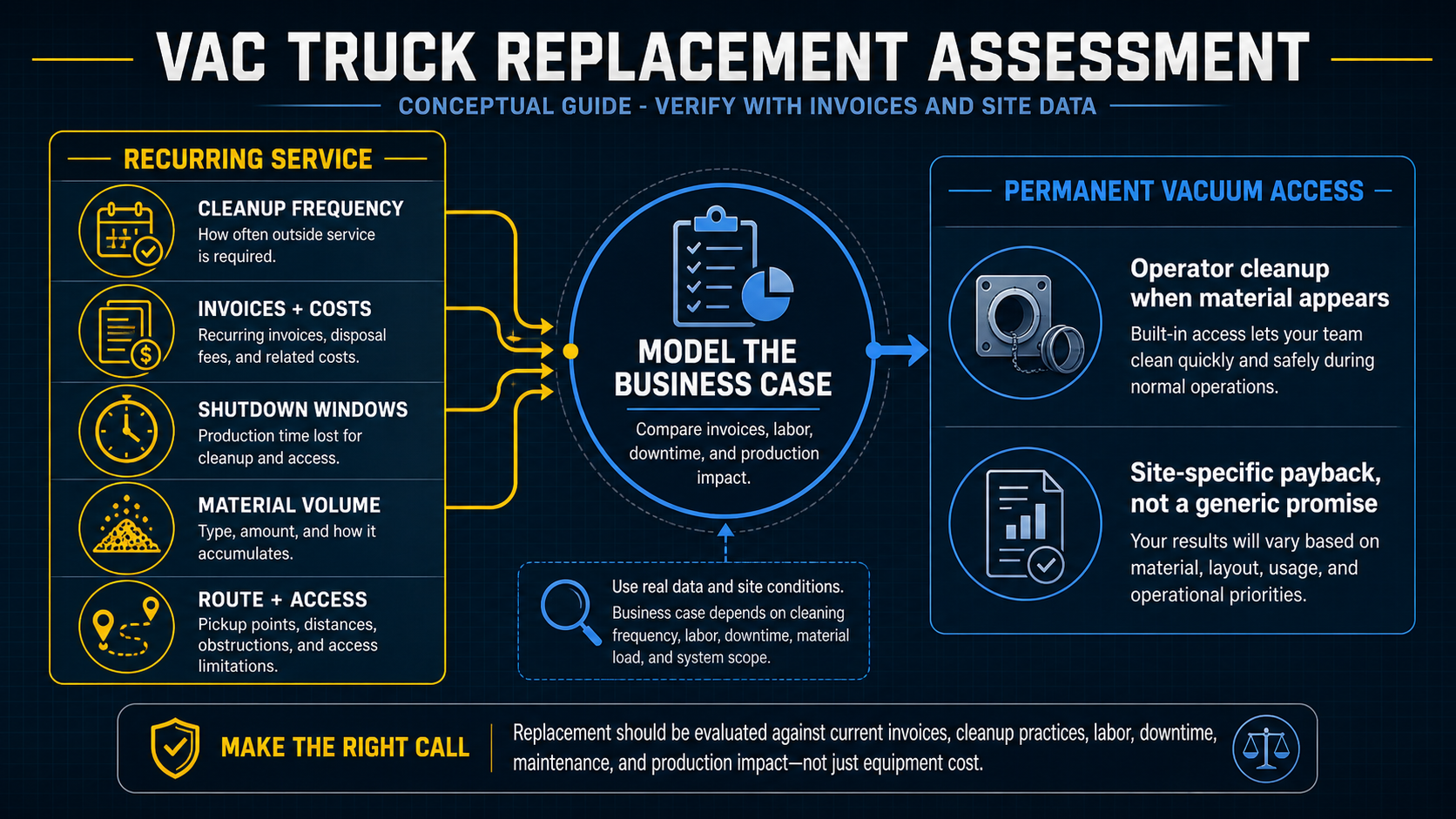
Vac truck costs are not only the invoice. The real cost is the operating pattern around the truck: waiting for availability, clearing access, pausing adjacent work, assigning escorts, managing after-hours windows, and accepting that material may accumulate between visits. In a dust-producing or bulk-material facility, that gap can matter as much as the invoice itself.
Permanent vacuum access changes the cycle. It does not remove the need for good housekeeping procedures, but it puts cleanup capacity inside the facility. That is what creates the ROI opportunity.
What a Real Vac Truck Replacement Looks Like
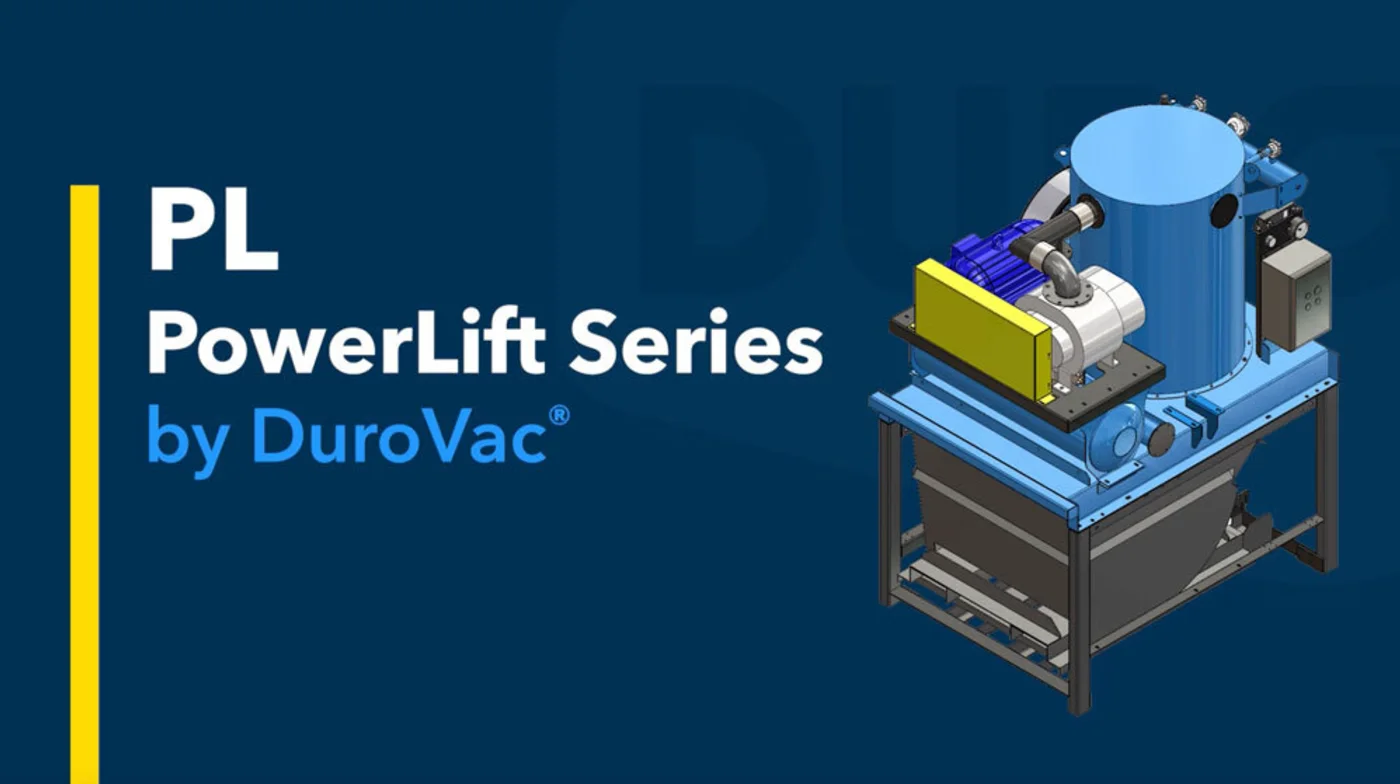
The strongest projects usually start with three facts: material is heavy or high volume, pickup points are predictable, and cleanup happens often enough that outside service has become a recurring line item. DuroVac’s own steel manufacturer case study is a good example. The facility was dealing with iron dust and material around conveyor areas, and weekly vac truck visits carried a four-hour minimum. DuroVac specified a PowerLift 40 with inline HEPA filtration and central-vacuum piping; the customer later expanded to multiple systems across plants.
Those details matter because they are operational, not theoretical. The case was not won by a generic vacuum. It was won by a system sized for heavy material, long cleanup zones, and repeated use. You can read DuroVac’s full steel manufacturer case study here.
When Permanent Vacuum Systems Usually Win
Permanent systems are strongest when they remove friction from the daily or weekly cleanup routine. The more predictable the material and pickup zones are, the easier it is to size pipe, hose, filtration, separators, hoppers, and discharge workflow.
Heavy or Dense Material
Iron dust, scale, aggregate, pellets, clay, glass, ceramics, and compacted powders often push the design toward positive displacement or PowerLift configurations.
Frequent Repeat Cleanup
If the same area needs the same truck visit again and again, the facility is paying for access it could potentially own.
Multiple Pickup Points
Central piping, hose reels, and fixed inlets can give operators faster access than staging a truck or moving portable equipment across the plant.
Audit Exposure
Combustible dust, silica-bearing material, and housekeeping-sensitive zones need repeatable cleanup records, not occasional hero cleanups.
When a Vac Truck Still Makes Sense
Permanent systems are not the answer to every cleanup. A vac truck can still be the right tool for one-time cleanouts, unusual waste handling, remote outdoor work, or emergency removal where the plant has no permanent access. The mistake is using a truck forever when the job has become routine.
| Decision Point | Permanent System Is Stronger When… | Vac Truck May Still Fit When… |
|---|---|---|
| Frequency | The same zones need cleanup every week or month. | The cleanup is rare, irregular, or tied to a shutdown. |
| Access | Operators need fast cleanup without waiting for outside scheduling. | The area is outside normal production access or requires special handling. |
| Material | Material type, density, and discharge point are known and repeatable. | The material stream changes or is not suitable for the same permanent workflow. |
| Compliance | Housekeeping consistency supports OSHA, silica, or combustible dust programs. | The truck is part of a larger shutdown or waste management plan. |
How TVD Sizes the Replacement
TVD starts with the floor, not the brochure. We look at material density, pickup distance, hose length, vertical lift, power availability, collection method, discharge workflow, filtration requirement, and whether combustible dust or silica exposure is in scope. Those inputs determine whether the recommendation belongs in the DuroVac PowerLift family, Elevator family, DVR/DVP line, or a central configuration.
Compliance checkpoint: combustible dust and classified environments require a proper dust hazard review and equipment selection. A permanent vacuum system can support housekeeping, but it still needs to be specified around the material, ignition risk, grounding, filtration, and discharge conditions.
That discipline also protects ROI. An undersized system creates clogs and frustrated operators. An oversized system wastes capital and power. The right replacement gives your team enough pickup force, enough inlet access, and enough collection capacity to change the cleanup routine permanently.
Frequently Asked Questions
How fast can a permanent vacuum system pay for itself?
It depends on cleaning frequency, truck minimums, labor impact, material volume, and system scope. In DuroVac’s steel manufacturer case study, the return was reported within months. TVD can build a facility-specific ROI model from your current service pattern.
Does this only apply to steel plants?
No. The same logic applies anywhere repeated heavy cleanup depends on outside service: metals, building products, food ingredients, glass, ceramics, aggregate, plastics, and other bulk-material operations.
Can the system connect to multiple pickup points?
Yes. Depending on the layout, TVD can evaluate hose drops, fixed inlets, separators, hoppers, central piping, and operator access points so cleanup is available where the material actually accumulates.
What should I send before a site assessment?
Useful inputs include current truck frequency, material type, estimated volume, pickup zones, power availability, discharge preference, photos of problem areas, and any OSHA, silica, NFPA, or dust hazard documentation already in place.
Ready to Replace Recurring Vac Truck Service?
TVD Industries can review your current cleanup pattern, walk the floor, and recommend whether a permanent DuroVac system makes operational and financial sense.
Book an intro call with Aaron