
A vacuum can sound healthy at the producer and still fail on the floor. The real question is whether the installed system can move the actual material, through the actual pipe and hose run, with the actual number of operators using it during production.

An undersized industrial vacuum rarely announces itself with a single failure. Operators usually see the symptoms first: the farthest hose barely pulls, the same elbows clog every week, filters load before the shift ends, or the system works for one user and falls apart when a second operator connects.
TVD Industries treats those symptoms as design evidence. The answer is not always a larger motor. A weak system can come from a worn producer, a poor pipe layout, undersized hose, filter area that cannot handle the dust load, a receiver that fills too quickly, or a material stream that needs a different collection method altogether.
Undersized Means the Installed System Does Not Match the Job
A nameplate horsepower number does not prove that the system fits the facility. Vacuum design has to connect the material, pickup rate, pipe length, hose diameter, branch count, separator load, filter media, and discharge routine into one working system.

The Five Field Signs
These signs are most useful when they appear repeatedly during normal production, not only during a one-time spill, bad bag change, or blocked hose event.
The nearest inlet works, but the farthest drop will not move the same material. Check pressure loss through the full pipe and hose path.
The system stalls at elbows, reducers, separators, or hose bends because velocity is not high enough for the material being picked up.
Filters need constant pulsing, cleaning, or replacement because dust volume and particle behavior exceed the filter arrangement.
Housekeeping gets reset after shutdown, then the floor is dirty again before the next planned cleaning window.
The system is acceptable for one operator but drops off when another hose is opened or another tool starts producing debris.
What TVD Checks Before Recommending More Capacity
Before TVD recommends a replacement or expansion, the existing system should be separated into producer performance, pipe layout, collection method, filtration, and operating behavior. That prevents the plant from buying a larger vacuum to compensate for a fixable layout or maintenance issue.

A central vacuum has to keep useful performance at the pickup point after pipe loss, hose loss, separator resistance, filter loading, and tool behavior are included.
That is why TVD reviews the whole path from inlet to discharge before calling a system undersized.
When the System Is Actually Too Small
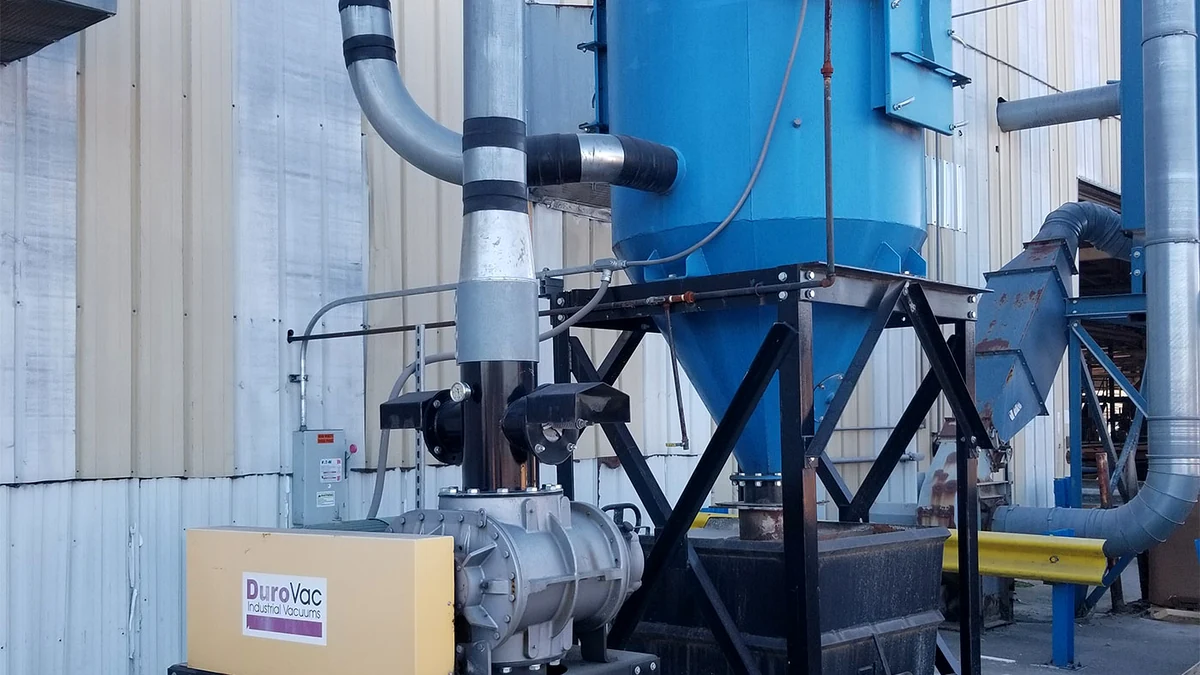
If readings show the system cannot move the material at the required pickup points, the fix may be a larger DuroVac platform, an additional receiver, a revised separator, more filter area, or a redesigned central layout. The right answer depends on what is failing.
Useful when a portable or smaller central system fits the debris volume, operator count, and pickup distance.
Useful for heavier material, recurring accumulation, longer pickup runs, multiple users, or facilities replacing outside cleanup service.
Useful when the producer is adequate but hose reach, branch routing, inlet placement, or separator location is limiting the floor.
For conductive metal dust, classified areas, or inerting requirements, TVD can evaluate Depureco equipment alongside the hazard review.

Compliance Risk Comes From the Housekeeping Gap
An undersized vacuum becomes a safety issue when settled material remains on floors, platforms, ledges, tools, or production equipment because the cleanup system cannot keep pace. OSHA’s general industry walking-working surface rule includes housekeeping expectations for clean, dry, maintained work surfaces, and combustible dust programs now sit in the NFPA 660 era for dust hazard review and housekeeping control.
Engineering review comes first. A vacuum recommendation should be based on site conditions, material behavior, pickup points, filtration, discharge, grounding and bonding needs, and the authority-having-jurisdiction expectations for that facility.
Frequently Asked Questions
No. Weak suction can come from leaks, clogged filters, worn belts, blocked hose, poor pipe design, or a producer problem. TVD confirms the cause before recommending capacity.
The useful reading is performance at the pickup point under realistic load, not just the nameplate horsepower or open-flow rating at the producer.
When multiple operators need reliable suction at the same time across repeatable pickup points, a properly designed central layout is usually easier to use and control.
Often, yes. If the producer still fits the duty, layout repair, added filtration, better separator placement, or service work may be the right first move.
Sources and References
Find Out Whether the System Is Undersized or Just Misapplied
TVD Industries can walk the floor, review the material and pickup points, and recommend a repair, layout correction, or right-sized industrial vacuum path.
Schedule an Industrial Vacuum Review